On-grid solar systems are becoming increasingly popular among homeowners looking to reduce their energy costs while supporting sustainability. These systems connect directly to the utility grid, allowing homeowners to harness solar energy efficiently. In this article, we will explore the numerous benefits of on-grid solar systems, including how they can significantly lower electricity bills, enhance property value, and contribute to environmental sustainability. Many homeowners face rising energy costs and environmental concerns, making the transition to solar energy a compelling solution. We will delve into the mechanisms behind these benefits, the role of government incentives, and how smart home integration can optimize solar energy use.
How Do On-Grid Solar Systems Reduce Electricity Bills for Homeowners?
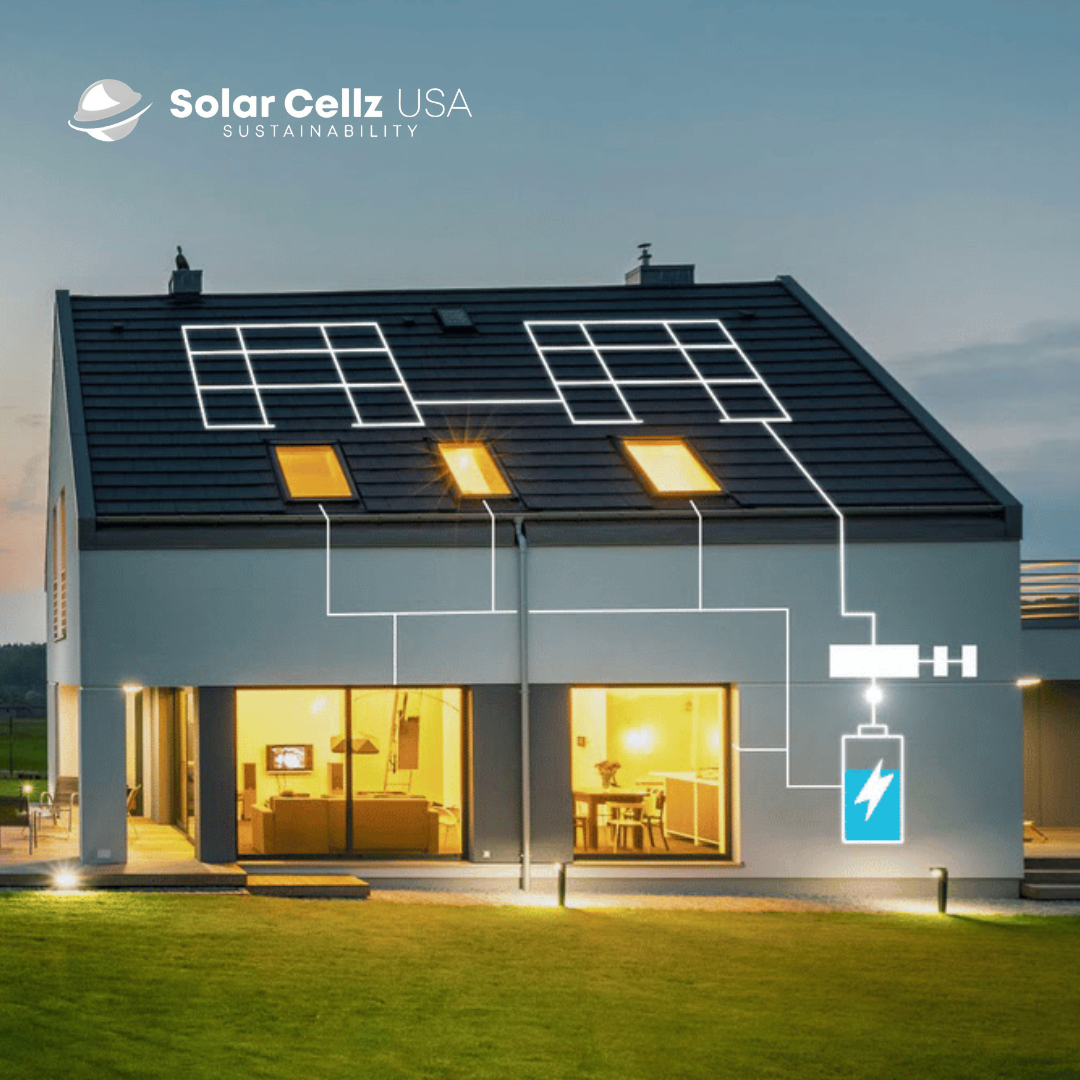
On-grid solar systems can dramatically lower electricity costs for homeowners by generating clean energy that offsets their reliance on the grid. These systems work by converting sunlight into electricity, which can be used to power the home directly. Any excess energy produced can be sent back to the grid, often resulting in credits for the homeowner through net metering. This financial mechanism allows homeowners to maximize their solar savings, making solar energy not only an environmentally friendly choice but also a financially savvy one.
Studies confirm that integrating grid-tied solar systems with efficient appliances significantly reduces energy consumption, costs, and greenhouse gas emissions.
Grid-Tied Solar Reduces Residential Energy Costs & Emissions The results of the simulation show that the integration of super-efficient appliances powered with the grid-tied solar power system is a good option to control the energy consumption of the residential buildings and to reduce the cost of electricity and greenhouse gas emissions. This leads to low building energy consumption, with extra power sold back to the grid to reduce the cost of energy, high renewable fraction, low-cost of electricity (12% reduction), and low greenhouse gas emissions (45–51% reductions). Design and optimization of grid-tied and off-grid solar PV systems for super-efficient electrical appliances, C Ghenai, 2020
What Is Net Metering and How Does It Maximize Your Solar Savings?
Net metering is a billing arrangement that allows homeowners with on-grid solar systems to receive credits for the excess electricity they generate and send back to the grid. When a solar system produces more energy than the home consumes, the surplus is fed into the grid, and the homeowner receives a credit on their utility bill. This process effectively reduces the amount of electricity the homeowner needs to purchase from the utility, leading to significant savings over time. For instance, if a homeowner generates 1,000 kWh of excess energy in a month, they may receive credits that offset their future energy costs, making solar energy a financially beneficial investment.
Research further supports the financial advantages of net metering for homeowners.
Economic Benefits of Net Metering for Residential Solar net metering is a key enabling factor for smart (mini-)grids. this article addresses the economic benefits of net metering for residential Net-metering benefits for residential customers: The economic advantages of a proposed user-centric model in Italy, IA Sajjad, 2018
Solar Cellz USA provides expert consultation on solar panel installation, helping homeowners navigate the complexities of net metering and maximize their savings.
What Are the Environmental Advantages of Installing On-Grid Solar Panels at Home?
Installing on-grid solar panels at home offers substantial environmental benefits. By generating clean, renewable energy, homeowners can significantly reduce their carbon footprint. Solar energy systems contribute to a decrease in greenhouse gas emissions, which are a major contributor to climate change. Additionally, solar energy reduces reliance on fossil fuels, promoting a more sustainable energy future.
How Does On-Grid Solar Help Reduce Your Carbon Footprint?
On-grid solar systems help reduce carbon emissions by replacing electricity generated from fossil fuels with clean solar energy. For every kilowatt-hour of solar energy produced, there is a corresponding reduction in the need for electricity generated from coal or natural gas. Studies show that a typical residential solar system can offset several tons of carbon dioxide emissions annually, contributing to cleaner air and a healthier environment. This transition to renewable energy sources is crucial in combating climate change and promoting sustainability.
How Can On-Grid Solar Systems Increase Your Residential Property Value?

On-grid solar systems not only provide energy savings but also enhance the value of residential properties. Homes equipped with solar panels are often more attractive to buyers, as they promise lower utility bills and a reduced environmental impact. The growing demand for sustainable living solutions has made solar-equipped homes increasingly desirable in the real estate market.
Why Do Solar Panels Make Homes More Attractive to Buyers?
Solar panels can significantly increase a home’s market value. Research indicates that homes with solar energy systems sell for more than comparable homes without solar. Buyers are often willing to pay a premium for properties that offer energy efficiency and sustainability. Additionally, the potential for long-term savings on energy bills makes solar-equipped homes a smart investment for prospective buyers. This trend reflects a broader shift towards valuing energy-efficient and environmentally friendly features in residential properties.
Indeed, evidence suggests that solar PV systems can substantially boost a home’s market value.
Solar PV Systems Increase Home Value adds on average 5.4% to the value of a home. The value of PV exceeds total average installed. Therefore, the value of the system goes beyond its capital investment—on average, by The effect of residential solar photovoltaic systems on home value: A case study of Hawai ‘i, 2016
What Government Incentives and Tax Credits Support Residential On-Grid Solar?
Government incentives and tax credits play a crucial role in making solar energy more accessible and affordable for homeowners. Various federal and state programs are designed to lower the upfront costs of solar installation, making it an attractive option for many.
Which Federal and State Programs Can Lower Your Solar Installation Costs?
Several programs can help reduce the financial burden of installing solar systems. The federal solar tax credit (Investment Tax Credit, ITC) currently allows homeowners to deduct 30% of their solar installation costs from their federal taxes (as of 2022 through 2032, with a step-down starting in 2033). Additionally, many states offer rebates, grants, and performance-based incentives that further lower the cost of solar systems. These incentives can significantly shorten the payback period for solar investments, making it easier for homeowners to transition to renewable energy.
Solar Cellz USA offers consultations to help homeowners understand and access available government incentives, ensuring they maximize their financial benefits when installing solar systems.
How Does On-Grid Solar Compare to Off-Grid Systems for Residential Use?
When considering solar energy options, homeowners often weigh the benefits of on-grid versus off-grid systems. Each has its advantages, but on-grid systems typically offer more flexibility and lower costs.
What Are the Key Advantages of Grid-Tied Solar Over Off-Grid Alternatives?
Grid-tied solar systems provide several advantages over off-grid systems. First, they do not require expensive battery storage systems, which can significantly increase installation costs. Second, homeowners can rely on the grid for energy during periods of low solar production, such as at night or during cloudy weather. This reliability ensures that homeowners have a consistent energy supply without the need for costly backup systems. Additionally, grid-tied systems often benefit from net metering, allowing homeowners to earn credits for excess energy produced, further enhancing their financial savings.
How Does Smart Home Integration Enhance On-Grid Solar Energy Optimization?

Integrating smart home technology with on-grid solar systems can significantly enhance energy efficiency and savings. Smart devices can optimize energy consumption, ensuring that homeowners use solar energy when it is most abundant.
What Smart Automation Features Improve Solar Efficiency at Home?
Smart home automation features, such as programmable thermostats and energy management systems, can help homeowners maximize their solar energy use. For example, smart thermostats can adjust heating and cooling based on solar production, ensuring that energy is used efficiently. Additionally, smart meters provide real-time data on energy consumption, allowing homeowners to make informed decisions about their energy use. By leveraging these technologies, homeowners can further reduce their reliance on grid electricity and increase their overall savings.
| Incentive Type | Description | Potential Savings |
|---|---|---|
| Federal Tax Credit | Deduct a percentage of installation costs from federal taxes | 30% of installation costs (through 2032) |
| State Rebates | Direct cash rebates for solar installations | Varies by state, often thousands of dollars |
| Performance-Based Incentives | Payments based on energy produced by solar systems | Varies, can provide ongoing income |
Understanding the various incentives available can help homeowners make informed decisions about their solar investments, maximizing both financial and environmental benefits.
In conclusion, on-grid solar systems offer numerous advantages for homeowners, from reducing electricity bills and increasing property value to contributing to environmental sustainability. With the support of government incentives and smart home technology, transitioning to solar energy has never been more accessible or beneficial. Homeowners can take control of their energy future while making a positive impact on the planet. of their energy future while making a positive impact on the planet.