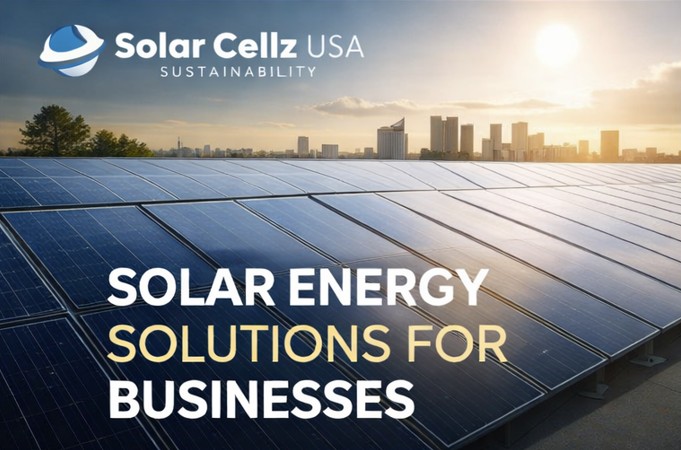
Solar energy is a practical, sustainable option for businesses. This guide summarizes commercial solar solutions, core benefits, panel types, installation costs, timelines, and incentives. With rising energy bills and environmental pressure, solar can lower operating expenses and support corporate sustainability goals.
What Are Commercial Solar Panels and How Do They Benefit Businesses?
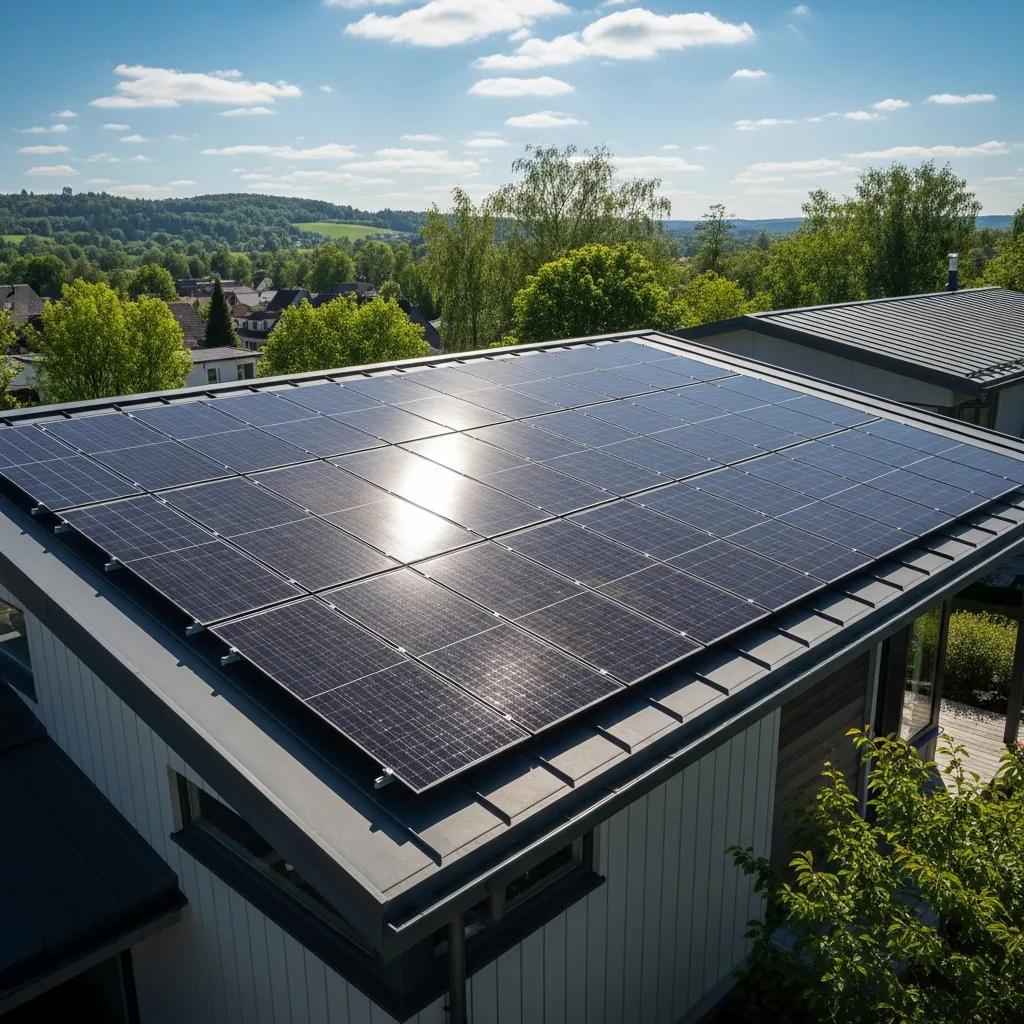
Commercial solar panels convert sunlight into electricity for business use. They lower energy costs, increase energy independence, reduce emissions, and help protect firms from volatile utility rates while supporting sustainability credentials valued by customers and investors.
For businesses implementing solar, Solar Cellz USA LLC specializes in custom commercial systems and assists with technical, regulatory, and project-management challenges for a smoother transition to renewable energy.
Understanding the Types and Specifications of Commercial Solar Panels
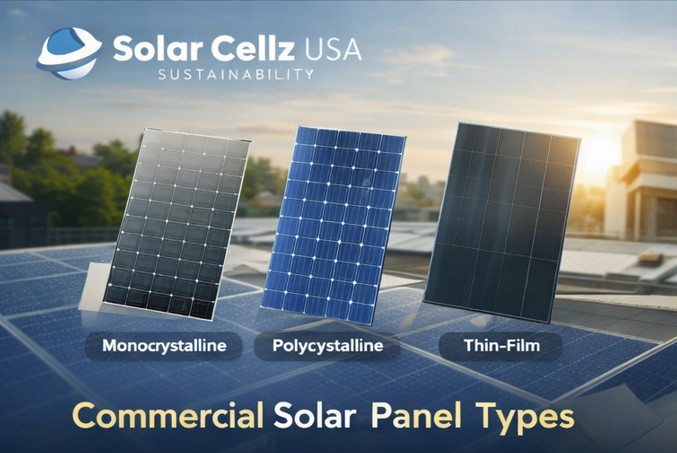
Main panel types are monocrystalline, polycrystalline, and thin-film. Each balances efficiency, cost, and form factor.
- Monocrystalline Panels : High efficiency from single-crystal silicon; best power per area and a sleek appearance.
- Polycrystalline Panels : Made from multiple silicon crystals; generally lower cost with slightly reduced efficiency.
- Thin-Film Panels : Lightweight and flexible, suitable for special installations but typically less efficient than crystalline panels.
Choose the type that fits your energy needs, budget, and available installation space.
How Commercial Solar Panels Drive Energy Savings and Sustainability
Solar generation reduces grid reliance and energy bills while lowering a company’s carbon footprint.
- Cost Reduction Mechanisms : On-site generation reduces purchased electricity and exposure to utility price spikes.
- Environmental Impact : Solar is a low-carbon energy source that cuts greenhouse gas emissions.
- Job Creation : Deployment and maintenance create local installation and service jobs.
Lower operational costs, emissions reductions, and local employment make solar an attractive business investment.
How Much Does Business Solar Installation Cost and What Factors Influence It?
Costs depend on system size, panel type, installation complexity, and location. Typical commercial projects range widely in scale and budget.
Breaking Down Installation Costs for Solar Power Systems in Companies
Key cost components include equipment, inverters, labor, and permitting:
| Component | Description | Estimated Cost |
|---|---|---|
| Photovoltaic Panels | The primary component that converts sunlight into electricity | $0.50 – $0.90 per watt |
| Inverters | Devices that convert DC electricity from panels to AC electricity for use | $0.20 – $0.40 per watt |
| Installation Labor | Costs associated with the physical installation of the system | $0.50 – $1.00 per watt |
| Permitting and Inspection | Fees for obtaining necessary permits and inspections | Varies by location |
Use these components to estimate project expenses and plan budgets.
What Is the Typical Installation Timeline for Commercial Solar Projects?
Timelines vary by project size and permitting; common phases are assessment, design and permits, installation, and commissioning.
- Site Assessment : Evaluating location and energy needs (about 1–2 weeks).
- Design and Permitting : System design and approvals (typically 4–8 weeks).
- Installation : Physical installation of panels and equipment (1–3 weeks).
- Inspection and Commissioning : Final checks and activation (1–2 weeks).
Many standard commercial projects complete in roughly 8–12 weeks from assessment to activation.
What Solar Energy Tax Incentives and Financing Options Are Available for Businesses?
Tax incentives and financing can substantially improve project economics and lower upfront costs.
- Federal Investment Tax Credit (ITC) : Allows businesses to deduct a significant portion of installation costs from federal taxes.
- State and Local Incentives : Rebates, tax credits, and other programs vary by jurisdiction and can add savings.
- Financing Options : Solar Cellz USA LLC offers financing solutions that reduce upfront capital requirements and simplify adoption.
Combined federal, state, and financing options can materially improve return on investment.
How Do Federal and State Solar Tax Credits Maximize ROI for Companies?
Federal and state credits reduce net project costs and improve payback periods. The ITC and complementary state programs are often key drivers in commercial investment decisions.
These incentives can change project cash flow and overall profitability, making careful financial planning essential.
Commercial Solar Investment & Federal Tax Credits Some producers delay investment because of long payback periods and the time needed to realize the federal income tax credit, which affects cash flow. Solar investment analysis: effects of electricity rate structure and financing terms on financial leverage, after-tax cash flow and profitability, M Popp, 2025
Exploring Financing Solutions for Commercial Solar Energy Systems
Common financing choices provide different paths to adoption and ownership.
- Power Purchase Agreements (PPAs) : Buy the power produced at an agreed rate, often below utility prices.
- Leasing Options : Lease equipment to gain benefits without buying the system outright.
- Loans : Borrow to purchase systems and retain ownership and incentives.
Consider contract terms, tax treatment, and long-term goals when selecting financing.
Corporate Power Purchase Agreements for Business Solar Energy Corporate power purchase agreements can help companies meet electricity demand with renewable energy, mitigate price volatility, and reduce carbon emissions, though contract risks vary with structure and market conditions. Efficient power purchase agreement structures for meeting corporate electricity needs with solar energy, F Simões, 2025
Flexible financing broadens access to solar for many businesses.
How Can Businesses Choose the Right Solar Energy Solutions and Installation Services?
Selecting the right system and installer centers on energy needs, quality components, and regulatory compliance.
- Energy Audit Importance : An audit reveals consumption patterns and informs system sizing.
- Component Selection : Choose durable panels and reliable inverters for long-term performance.
- Regulatory Compliance : Meet local codes and permitting requirements to avoid delays.
Prioritise these areas to align solar with operational and sustainability objectives.
Evaluating Solar Providers and Installation Experts for Commercial Projects
When vetting providers, focus on experience, transparent pricing, and ongoing support.
- Experience and Expertise : Prefer firms with commercial project experience and references.
- Cost Structures : Confirm clear pricing and contract terms.
- Maintenance and Support : Ensure providers offer service plans and performance monitoring.
These criteria help identify partners who deliver reliable, long-term value.
What Maintenance and Support Services Ensure Long-Term Solar Performance?
Routine maintenance and monitoring protect system output and longevity.
- Preventive Maintenance : Scheduled inspections and cleaning to preserve efficiency.
- Corrective Maintenance : Prompt repairs to limit downtime.
- Performance Monitoring : Remote monitoring to detect issues and optimize production.
Combined services help maximise lifespan and financial returns from a solar investment.
Frequently Asked Questions
What are the environmental benefits of using commercial solar energy?
Commercial solar reduces greenhouse gas emissions, lowers fossil fuel reliance, and uses minimal water versus many conventional generators. It strengthens a company’s sustainability profile for customers and stakeholders.
How can businesses assess their solar energy needs?
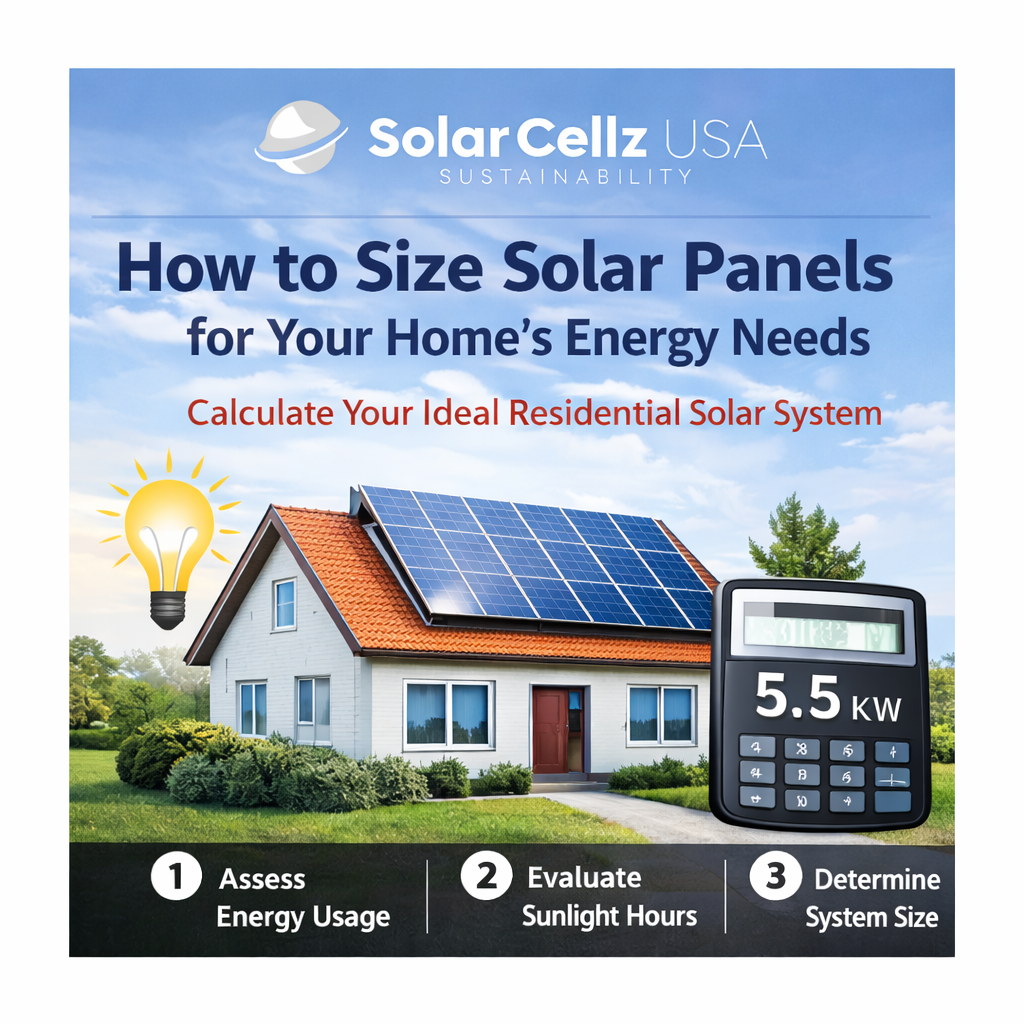
Conduct a thorough energy audit to measure current use, peaks, and future demand. Use audit results to size the system and evaluate technical and financial feasibility with an installer.
What are the common challenges businesses face when transitioning to solar energy?
Frequent challenges are upfront costs, permitting, installation complexity, and financing. Work with experienced providers and consider phased deployments to manage risk and capital.
How do solar energy systems impact property value?
Solar installations can increase property value by lowering operating costs and offering desirable sustainability features, which buyers may pay a premium to acquire.
What role do energy storage systems play in commercial solar setups?
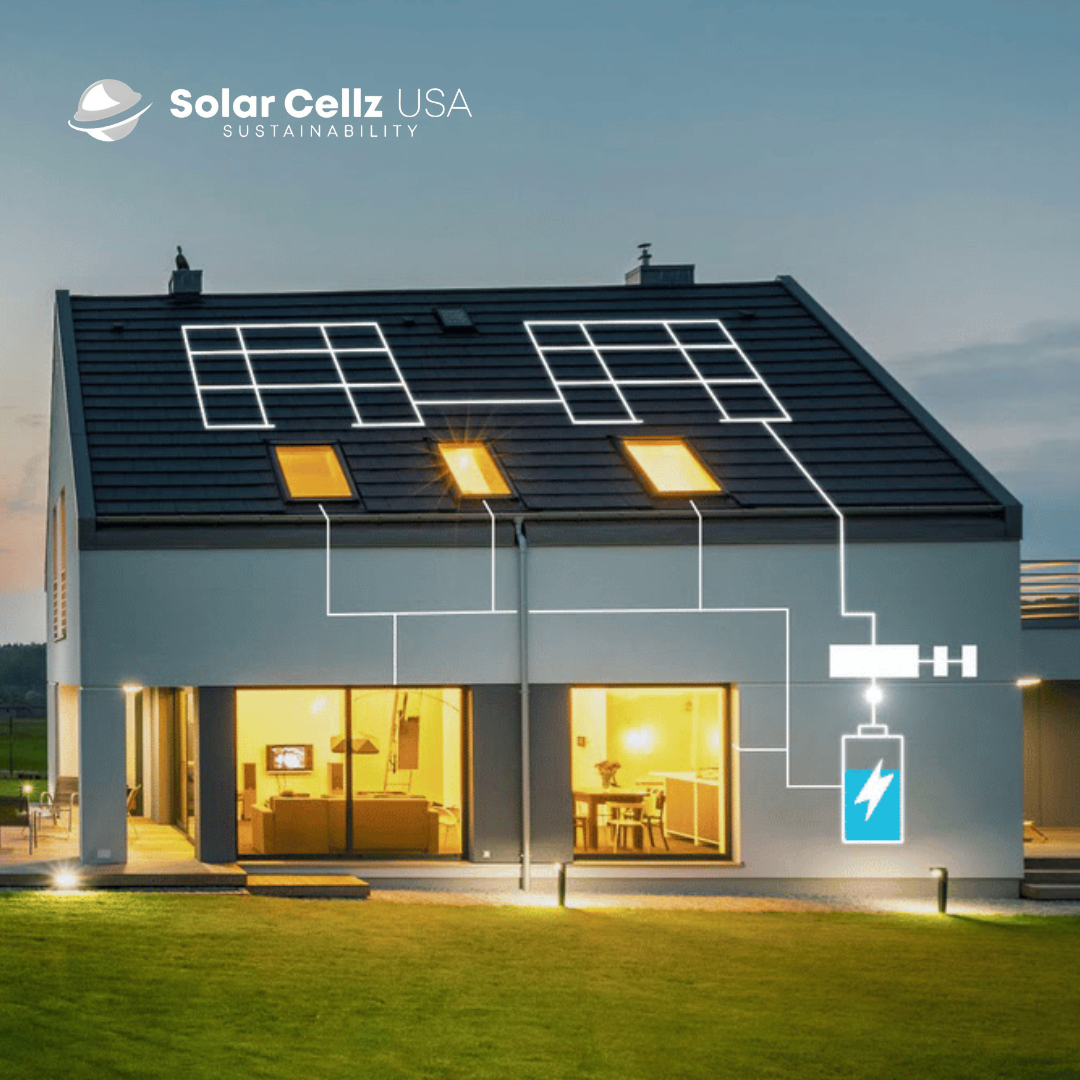
Batteries store excess generation for peak use or outages, improve reliability, and enable load shifting to reduce demand charges, improving overall project economics.
Are there specific industries that benefit more from commercial solar energy?
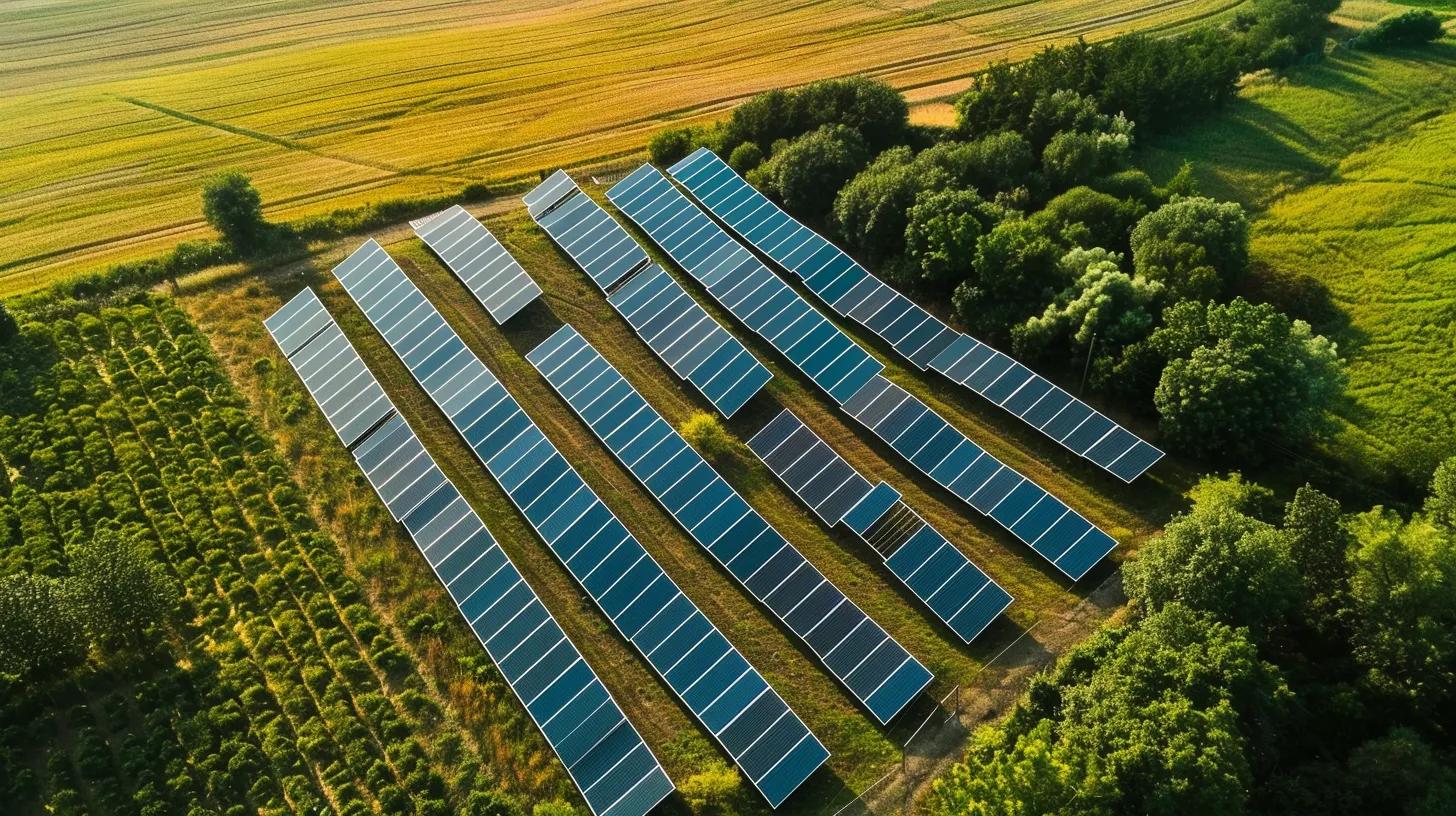
Energy-intensive sectors—manufacturing, agriculture, and large retail—often gain the most. Large roof or land area and strong local solar resources also enhance benefits.
Conclusion
Commercial solar delivers cost savings, energy independence, and environmental benefits. Understanding panel types, costs, timelines, and incentives helps businesses make informed decisions. Explore tailored solutions and financing with a trusted provider to begin your transition.