March 2026 — Renewable Energy News
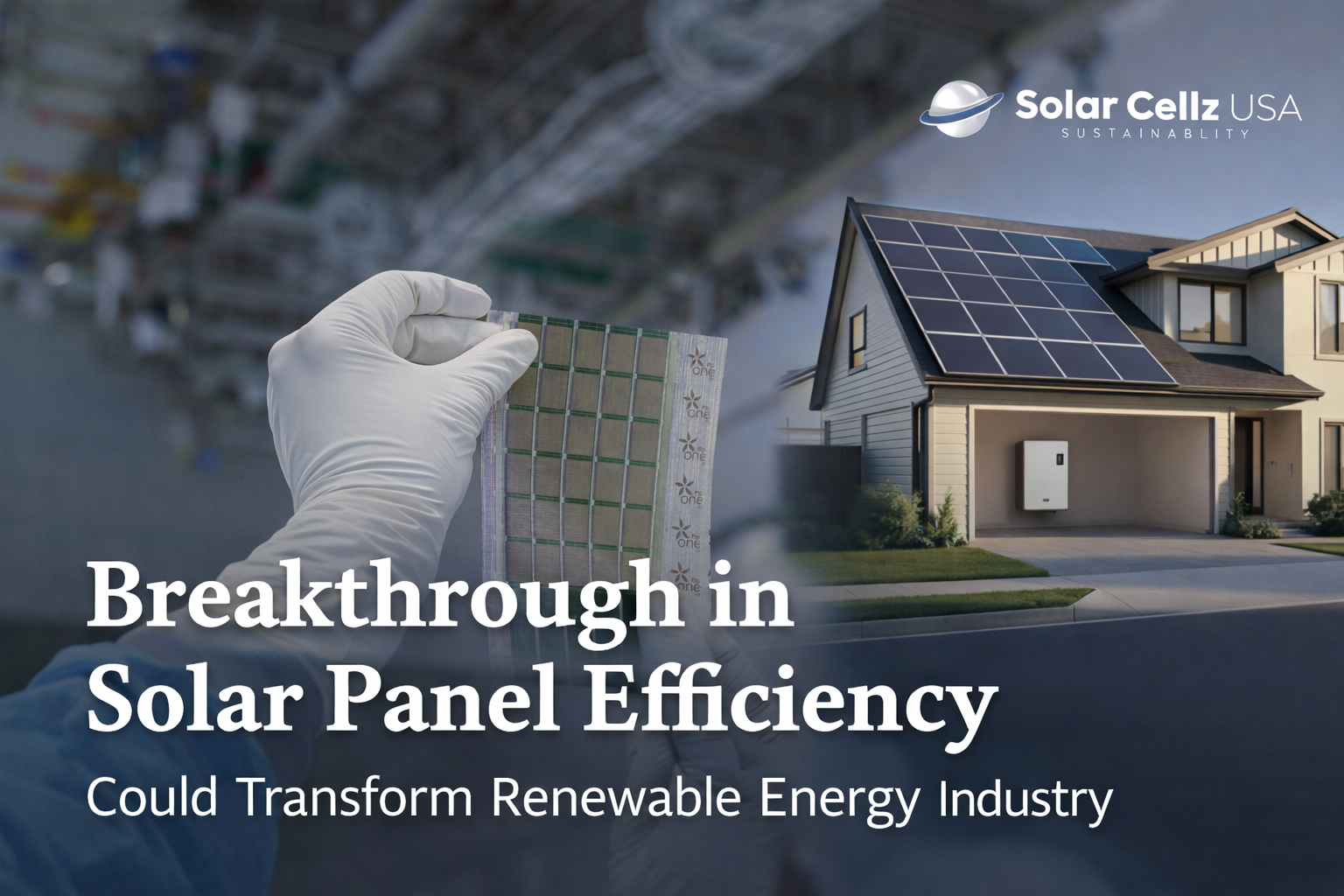
A major breakthrough in solar cell technology could significantly increase the efficiency of future photovoltaic systems, according to new research highlighted by ScienceDaily. Scientists have developed an advanced method that may allow solar cells to exceed traditional efficiency limits, potentially reshaping the performance and economics of solar energy worldwide.
The innovation focuses on improving how solar cells convert sunlight into electricity, with early findings suggesting energy conversion efficiencies approaching 130 percent in terms of charge carrier generation. This represents a major step forward in the evolution of high-efficiency solar panels and next-generation photovoltaic systems.
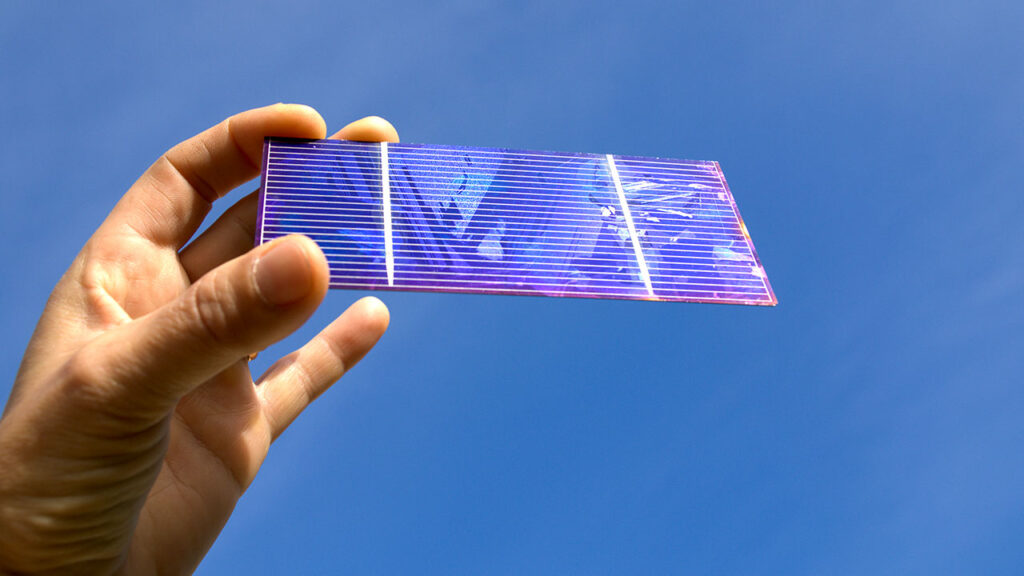
Solar Cells at the Center of Next-Generation Energy Technology
At the core of every solar panel are Solar cell, which are responsible for converting sunlight into usable electrical energy. However, traditional solar cells have long been limited by the Shockley–Queisser limit, which defines the maximum theoretical efficiency of single-junction photovoltaic devices.
These limitations result from several key factors:
- Excess energy lost as heat
- Incomplete absorption of the solar spectrum
- Inefficient conversion of photons into electrical current
As demand for renewable energy continues to grow, improving solar cell efficiency has become one of the most important challenges in the energy industry.
Breakthrough Technology Improving Solar Cell Performance
The latest research introduces a new approach based on Singlet fission, a process that allows one high-energy photon to generate two excitons instead of one. This effectively increases the number of charge carriers produced within the solar cell.
In addition, researchers incorporated Spin-flip metal complexes, which improve how energy is transferred and separated within advanced solar cells.
Together, these technologies enable:
- Greater utilization of high-energy sunlight
- Reduced energy losses during conversion
- Significantly improved solar cell output
This combination represents a major advancement in advanced solar cell technology and could redefine how photovoltaic systems are designed in the future.
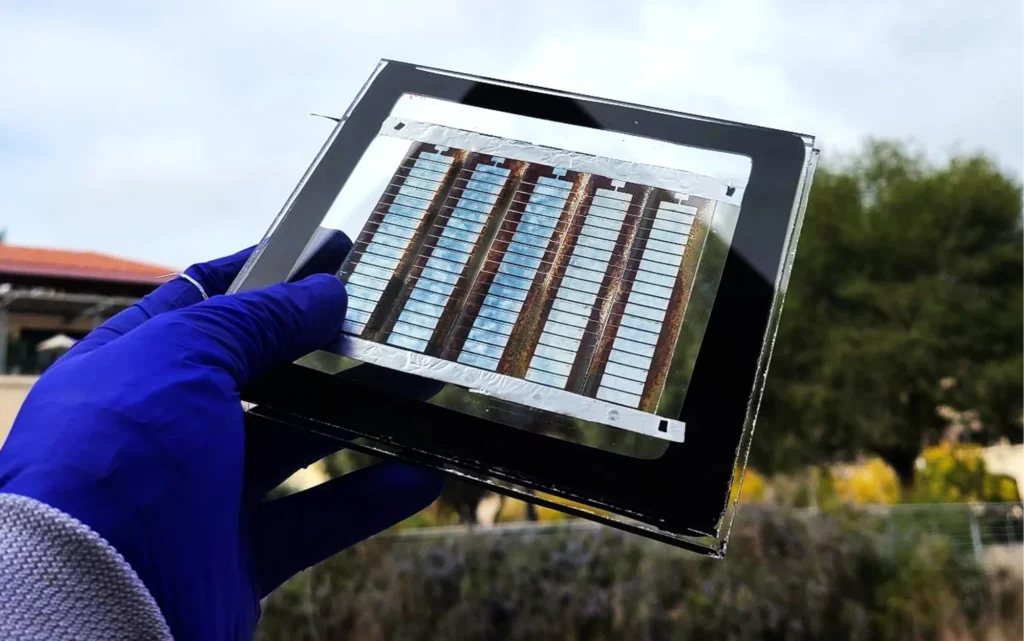
What This Means for Solar Panels and Energy Systems
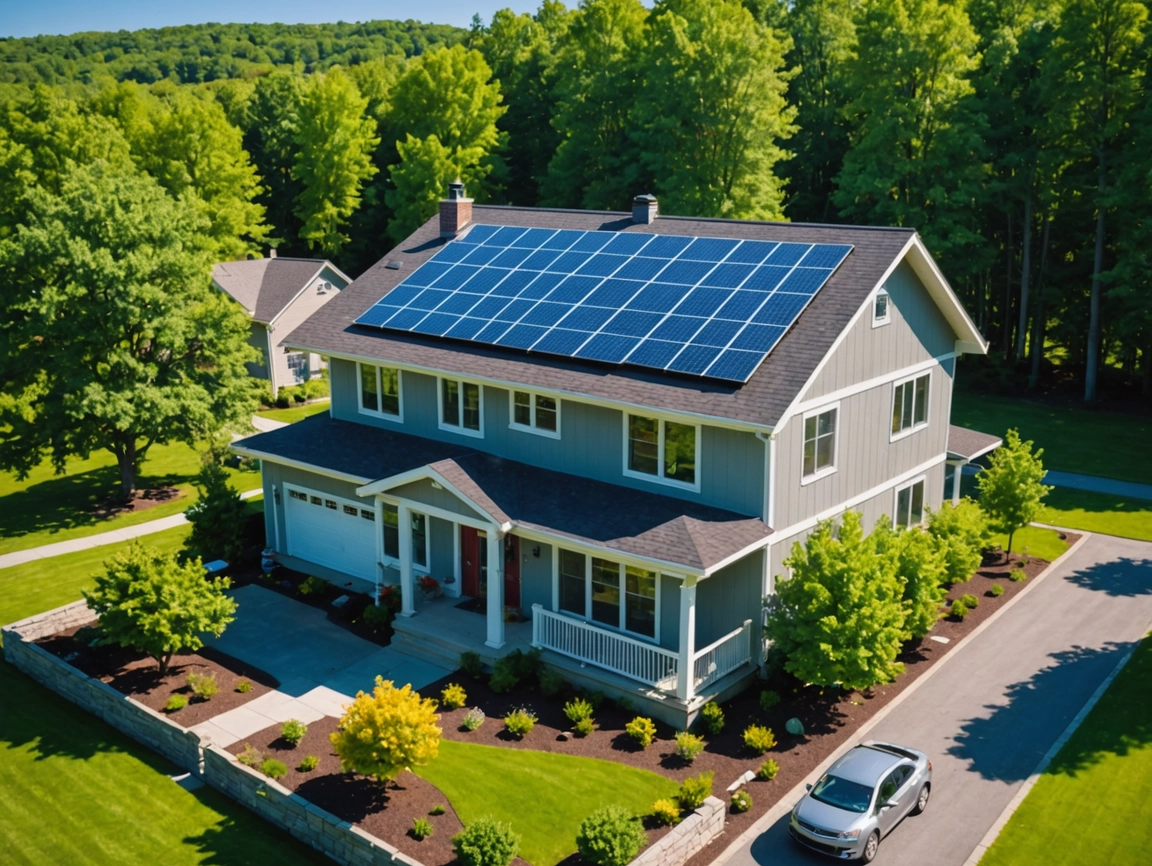
Improvements at the solar cell level directly impact the performance of entire solar panel systems. If successfully commercialized, this breakthrough could lead to:
Higher Efficiency Solar Panels
More efficient solar cells mean panels can generate more electricity from the same amount of sunlight.
Reduced System Costs
Fewer panels may be required to produce the same energy output, lowering installation and equipment costs.
Faster Return on Investment
Increased energy production leads to higher savings and shorter payback periods.
Expanded Renewable Energy Adoption
More efficient solar technology makes clean energy more accessible to homeowners and businesses.
Challenges Facing Commercial Solar Cell Adoption
While the results are promising, the technology is still in the research phase. Several challenges must be addressed before these advanced solar cells can be widely deployed:
- Long-term durability and material stability
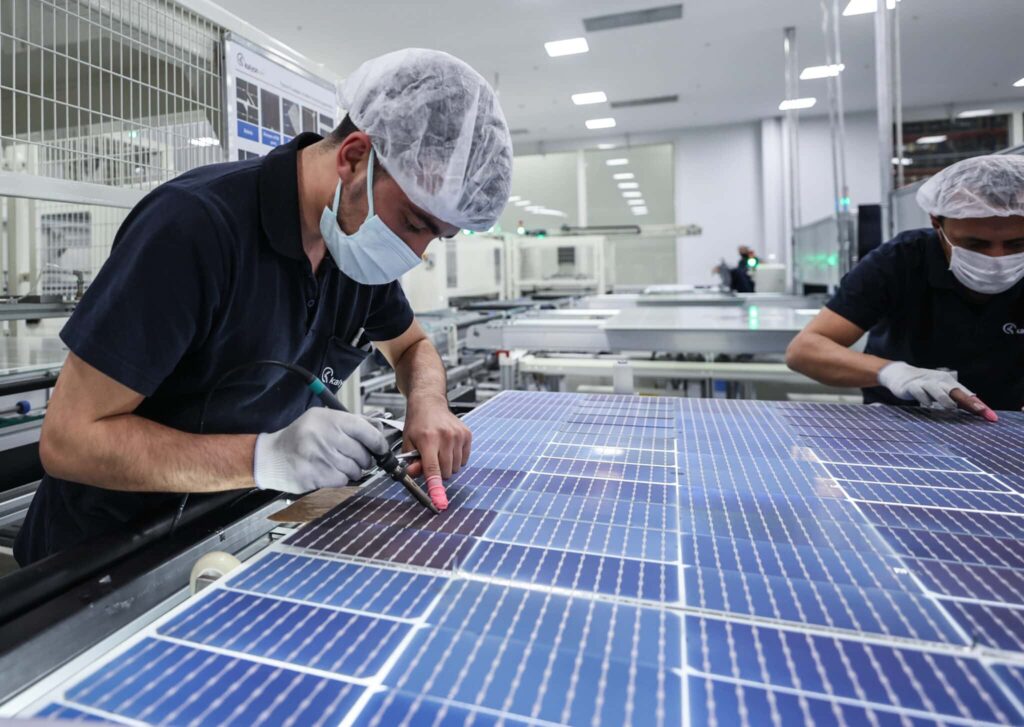
- Scalability for mass production
- Integration with existing solar panel manufacturing processes
Industry experts emphasize that continued research and development will be essential to bring these next-generation solar cells to market.
The Future of Solar Cells and Renewable Energy
This breakthrough highlights the rapid pace of innovation in solar cell technology and reinforces the role of solar energy as a leading solution for global energy needs.
As advancements like singlet fission continue to develop, future solar systems are expected to deliver:
- Higher efficiency rates
- Lower costs per watt
- Greater flexibility in installation and design
These improvements will play a critical role in accelerating the transition to renewable energy and reducing dependence on traditional power sources.
Industry Outlook
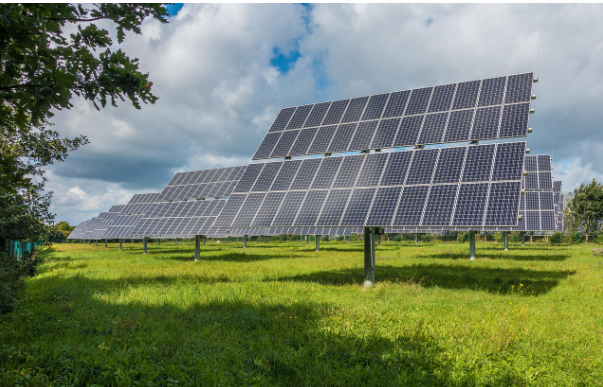
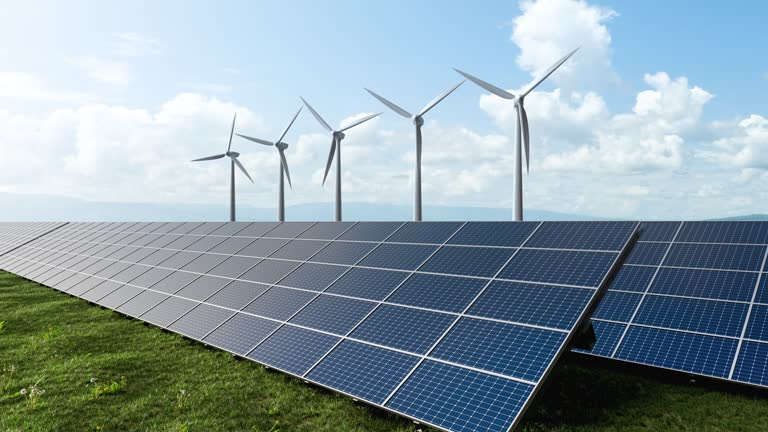
The global solar market continues to expand as demand for clean energy grows. Breakthroughs in high-efficiency solar cells are expected to further accelerate adoption, making solar power more competitive and scalable across residential, commercial, and utility sectors.
With ongoing innovation, solar cells will remain at the center of the renewable energy transformation.