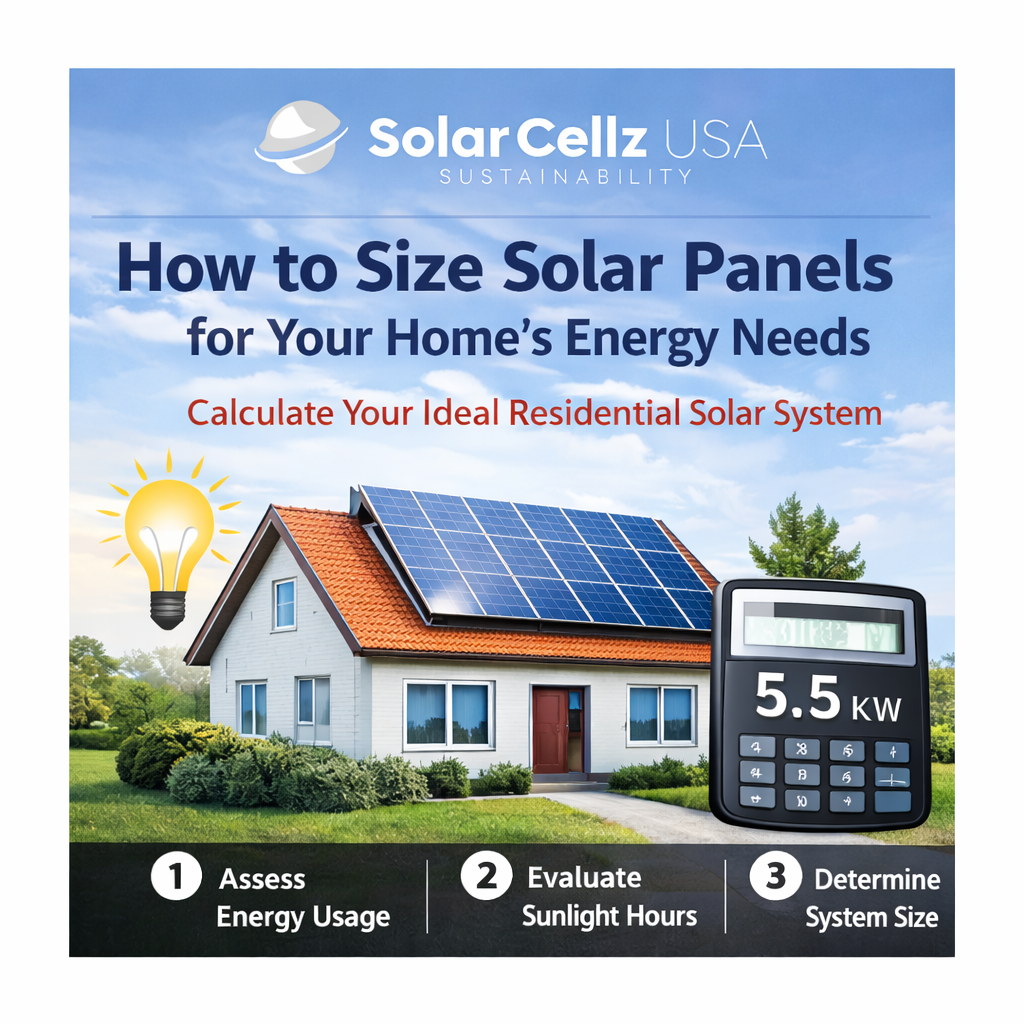
Sizing solar panels for your home is a crucial step in ensuring that your energy needs are met efficiently and sustainably. This comprehensive guide will walk you through the essential factors to consider when determining the right size for your solar panel system. By understanding your energy consumption, peak sun hours, and the components of a solar power system, you can make informed decisions that lead to significant cost savings and energy independence. Many homeowners struggle with the complexities of solar panel sizing, which can lead to either underperformance or overspending. This article will help you navigate these challenges by providing clear calculations and practical advice. We will cover how to assess your energy needs, the impact of peak sun hours, selecting the right panel wattage, essential components, and future energy considerations.
How Do You Determine Your Home’s Energy Consumption in kWh?
Understanding your home’s energy consumption is the first step in sizing your solar panel system. This involves calculating your monthly kilowatt-hour (kWh) usage, which is essential for determining how much solar power you need to generate.
How to Read and Analyze Your Electricity Bill for Solar Sizing
To accurately size your solar panel system, start by reviewing your electricity bill. Key components to focus on include:
- Total kWh Usage: This figure shows how much energy you consumed over the billing period.
- Peak Usage Times: Identify when your energy consumption is highest, as this will inform your solar needs.
- Rate Structure: Understanding your utility’s rate structure can help you optimize your solar system for cost savings.
By analyzing these elements, you can gain insights into your energy patterns and identify opportunities for solar energy savings.
Which Appliances Impact Your Residential Solar Energy Needs Most?
Certain appliances significantly influence your energy consumption. Here are some common high-energy users:
- Heating and Cooling Systems: HVAC systems often account for a large portion of energy use.
- Water Heaters: These can consume substantial energy, especially in larger households.
- Refrigerators and Freezers: Older models tend to use more energy than newer, energy-efficient ones.
By identifying these appliances, you can better estimate your solar energy needs and consider energy-efficient upgrades to reduce overall consumption.
What Are Peak Sun Hours and How Do They Affect Solar Panel System Size Calculation?
Peak sun hours refer to the average number of hours per day when sunlight is strong enough to generate solar energy effectively. Understanding this concept is vital for calculating the size of your solar panel system.
How to Calculate Peak Sun Hours for Your Location Using Solar Insolation Data
To determine peak sun hours for your area, you can use solar insolation data, which provides information on solar radiation received. Here’s how to calculate it:
- Research Local Solar Insolation: Use online resources or local meteorological data to find average solar insolation values for your location.
- Adjust for Seasonal Variations: Consider how seasonal changes affect sunlight availability.
- Calculate Average Daily Peak Sun Hours: This is typically expressed in hours per day.
By understanding your local solar insolation, you can accurately size your solar panel system to meet your energy needs.
How Does Roof Orientation and Shading Influence Solar Energy Production?
The orientation and shading of your roof can significantly impact solar energy production. Key factors include:
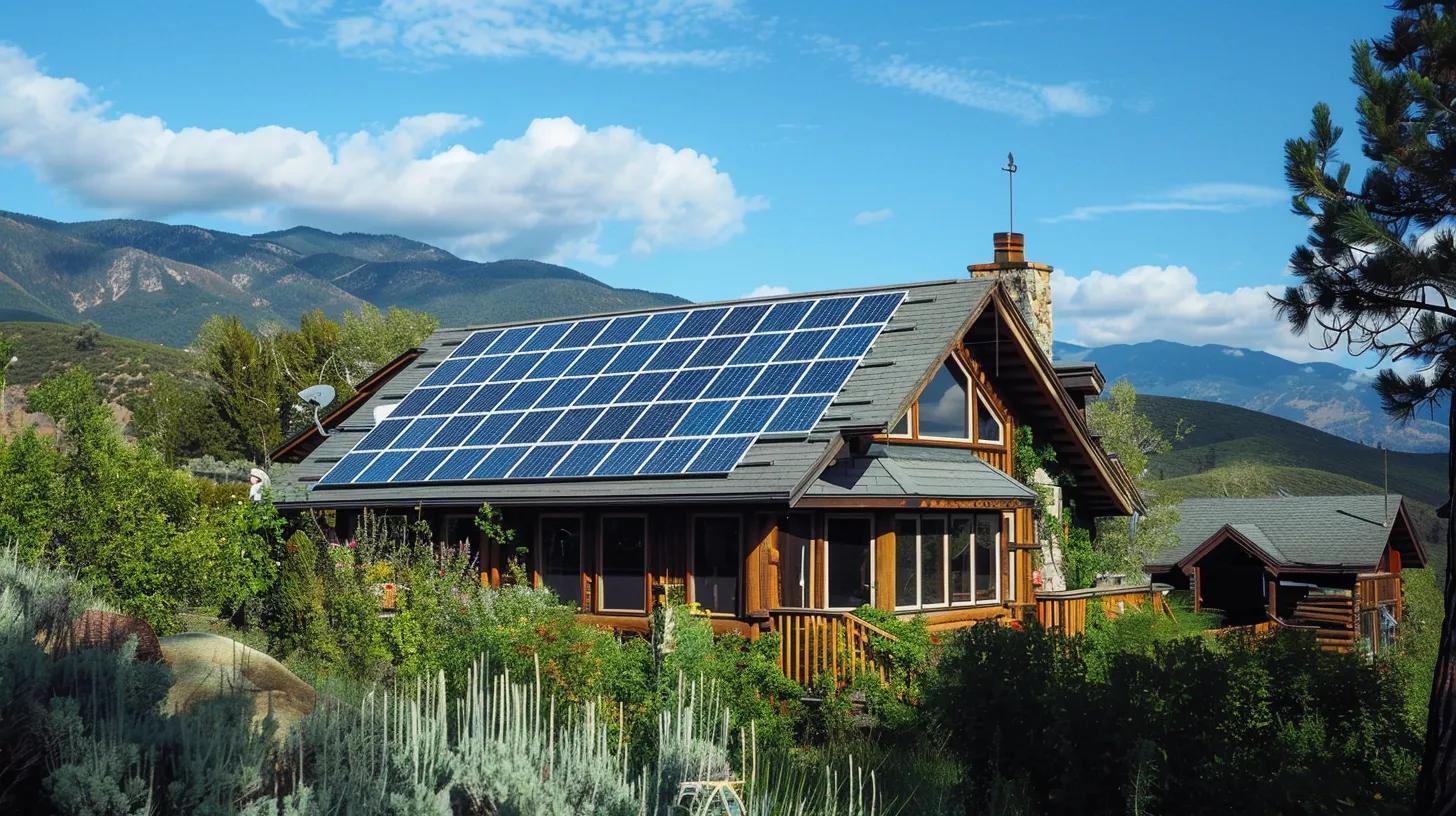
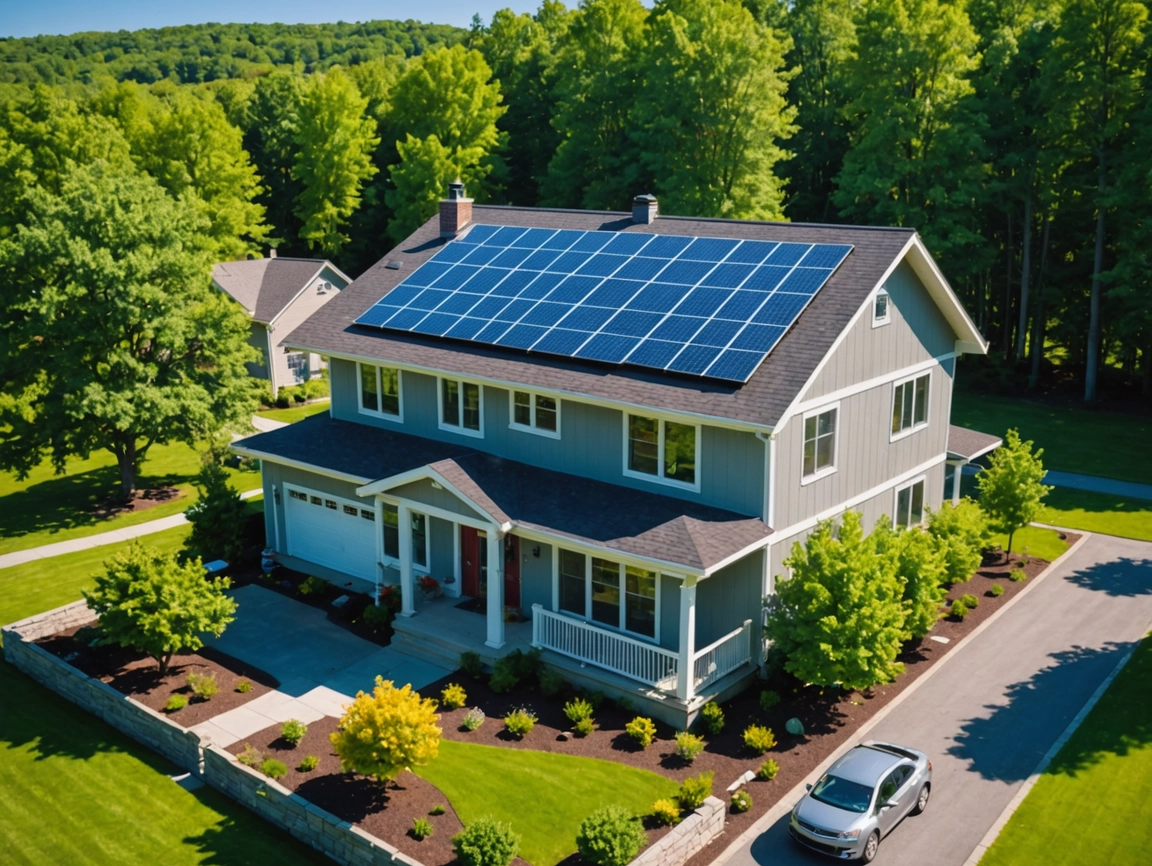
- Roof Orientation: South-facing roofs generally receive the most sunlight in the Northern Hemisphere, while east and west-facing roofs may receive less.
- Shading from Trees or Buildings: Any shading can reduce the efficiency of solar panels, so it’s essential to assess potential obstructions.
By evaluating these factors, you can optimize your solar panel placement for maximum energy production.
How to Choose the Right Solar Panel Wattage and Efficiency for Your Home
Selecting the appropriate wattage and efficiency for your solar panels is crucial for meeting your energy needs effectively.
What Are the Differences Between Solar Panel Types and Their Power Output?
There are several types of solar panels, each with distinct characteristics:
- Monocrystalline Panels: Known for high efficiency and space-saving design, these panels typically offer the best performance.
- Polycrystalline Panels: Generally less expensive, these panels have a slightly lower efficiency but are still a viable option for many homeowners.
- Thin-Film Panels: These are lightweight and flexible but usually have the lowest efficiency among the types.
Understanding these differences can help you choose the right panels based on your specific energy needs and budget.
How to Account for Solar Panel Degradation and System Efficiency in Sizing
Solar panels degrade over time, typically losing about 0.5% of their efficiency per year. When sizing your system, consider:
- Degradation Rates: Factor in the expected degradation over the lifespan of the panels.
- System Efficiency Losses: Account for losses due to inverter efficiency (usually around 90-98%) and other system components such as wiring and dust.
By incorporating these factors into your calculations, you can ensure that your solar panel system remains effective over its lifetime.
What Components Are Essential in Home Solar Power System Sizing?
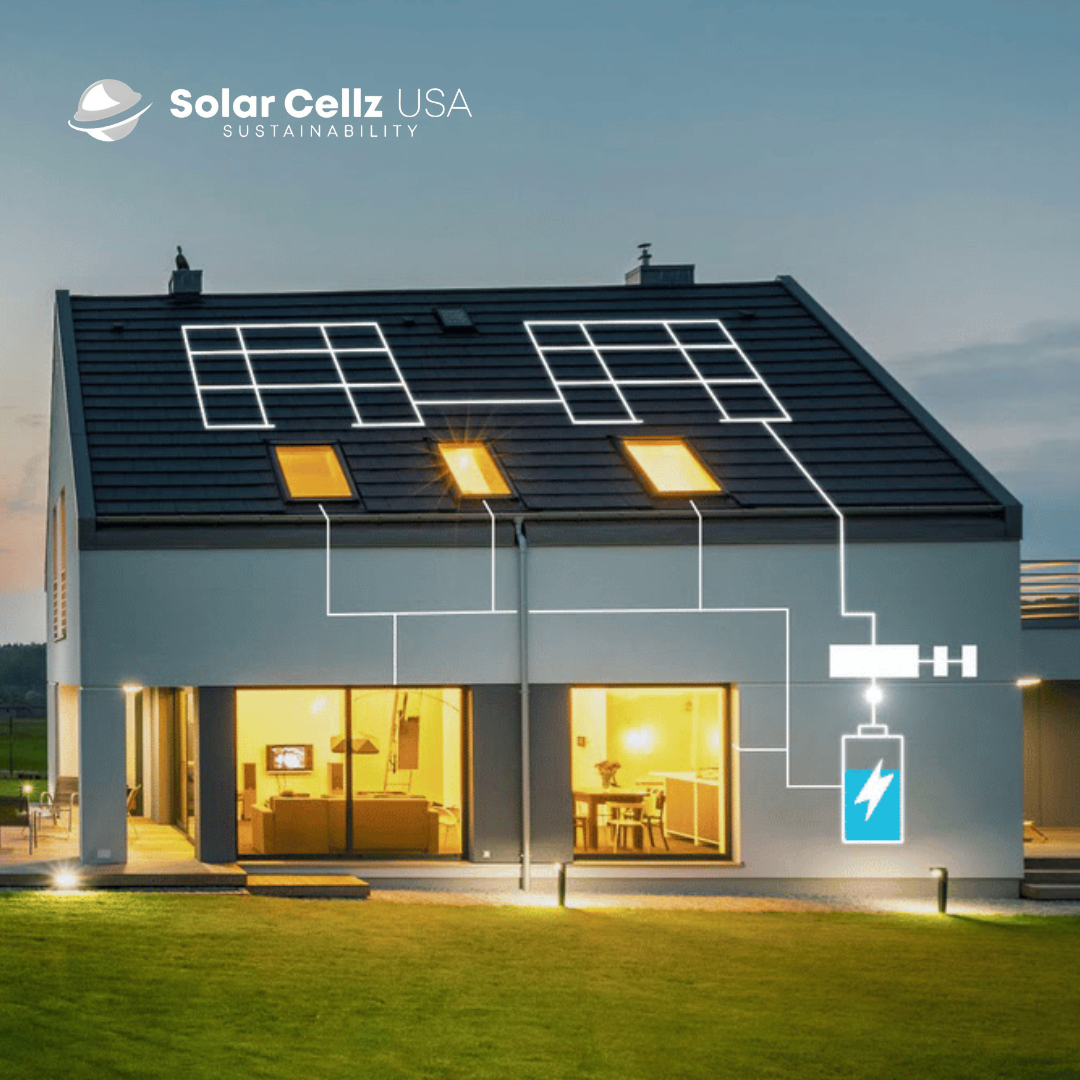
A well-designed solar power system includes several essential components that work together to generate and store energy.
How Do Inverters and Battery Storage Affect Your Solar System Size?
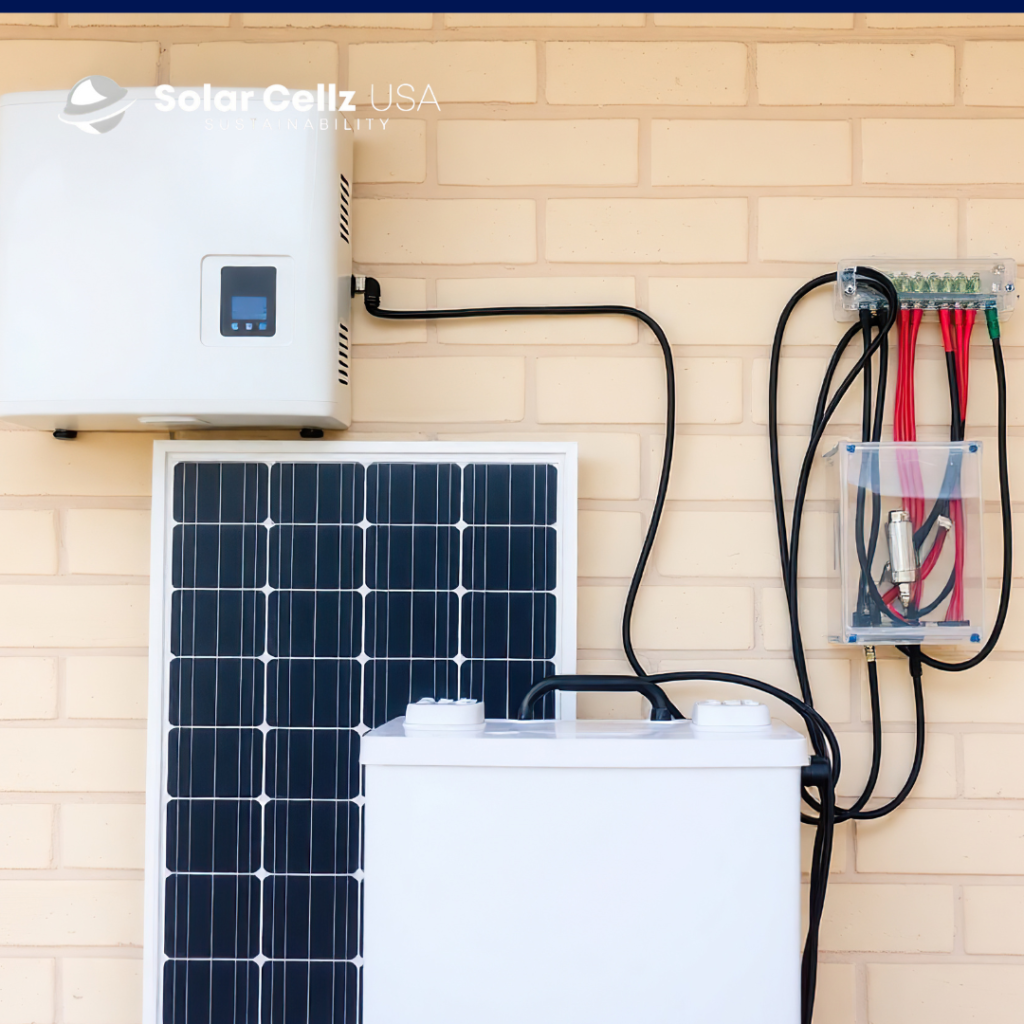
Inverters convert the direct current (DC) generated by solar panels into alternating current (AC) for home use. Battery storage allows you to store excess energy for use during non-sunny periods. Key considerations include:
- Inverter Size: Ensure your inverter can handle the total wattage of your solar panels, typically sized to match or slightly exceed the system’s DC capacity.
- Battery Capacity: Choose a battery system that can store enough energy to meet your needs during low production times, considering depth of discharge and efficiency.
These components are critical for maximizing the efficiency and reliability of your solar power system.
What Role Do Solar Energy Storage and Optimization Services Play?
Solar energy storage systems and optimization services enhance the performance of your solar panel system. Benefits include:
- Energy Independence: Storing energy allows you to rely less on the grid.
- Cost Savings: Optimization services can help you manage energy use more effectively, reducing overall costs.
By integrating these services, you can improve the efficiency and effectiveness of your solar energy system.
How to Calculate the Number of Solar Panels Needed for Your Home
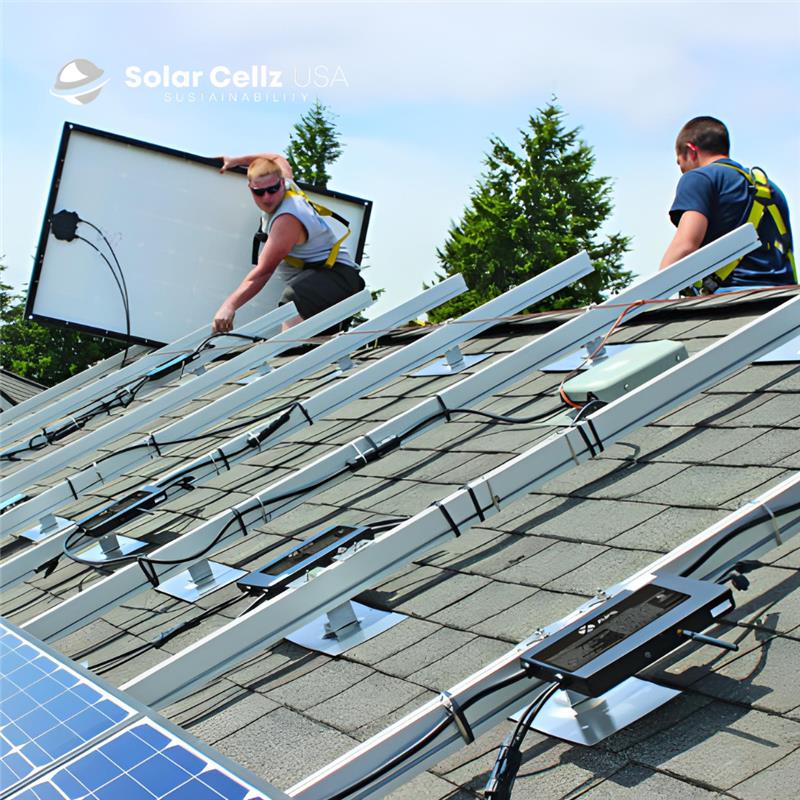
Calculating the number of solar panels required for your home involves a straightforward formula based on your energy needs and the output of the panels.
What Is the Step-by-Step Formula for Solar Panel System Size Calculation?
To determine the number of solar panels needed, follow these steps:
- Calculate Your Daily Energy Needs: Convert your monthly kWh usage to daily by dividing by 30.
- Determine Panel Output: Find the average daily output of your chosen solar panels (in watt-hours), which is the panel wattage multiplied by peak sun hours.
- Use the Formula: Divide your daily energy needs (in watt-hours) by the average daily panel output to find the number of panels required.
This formula provides a clear estimate of how many panels you need to meet your energy demands.
How to Use a Solar Panel Sizing Calculator for a Custom Estimate
Solar panel sizing calculators can simplify the process of determining your solar needs. Here’s how to use one effectively:
- Input Your Energy Data: Enter your monthly kWh usage and any other relevant information.
- Select Panel Specifications: Choose the type and wattage of the solar panels you are considering.
- Review the Results: The calculator will provide an estimate of the number of panels needed and potential costs.
Using a calculator can help you visualize your solar options and make informed decisions.
How to Plan for Future Energy Needs and System Expandability
When sizing your solar panel system, it’s essential to consider future energy needs and the potential for system expansion.
How Do Electric Vehicles and Home Additions Impact Solar Panel Sizing?
The rise of electric vehicles (EVs) and potential home additions can significantly affect your energy consumption. Considerations include:
- Increased Energy Demand: EV charging can add substantial energy needs, especially if multiple vehicles are involved.
- Home Expansion: Additional rooms or appliances will increase overall energy consumption.
Planning for these changes can help ensure your solar system remains adequate as your energy needs evolve.
What Are the Differences Between Off-Grid and Grid-Tied Solar System Sizing?
Choosing between off-grid and grid-tied systems involves different sizing considerations:
- Off-Grid Systems: Require larger battery storage and more panels to ensure energy independence.
- Grid-Tied Systems: Can rely on the grid for backup, allowing for smaller systems and less storage.
Understanding these differences can help you choose the right system based on your lifestyle and energy goals.
| Component | Function | Impact on Sizing |
|---|---|---|
| Solar Panels | Generate electricity | Determines total output needed |
| Inverters | Convert DC to AC | Must match panel output |
| Battery Storage | Store excess energy | Affects total energy availability |
By considering these factors, you can effectively size your solar panel system to meet both current and future energy needs, ensuring a sustainable and cost-effective energy solution for your home.