Solar ground mount systems are an essential component of modern solar energy solutions, providing a reliable and efficient way to install solar panels. These systems are designed to support solar panels at ground level, making them an ideal choice for various applications, including residential, commercial, and industrial settings. In this guide, we will explore the different types of solar ground mount systems, their installation processes, and the benefits they offer. Understanding these systems can help you make informed decisions about your solar energy investments.
This article will cover the following key sections: what a solar ground mount system is and how it works, the main types of solar ground mount systems, a step-by-step guide to installation, and the benefits and cost considerations associated with ground mount solar panels. By the end of this guide, you will have a comprehensive understanding of solar ground mount systems and their advantages.
What is a Solar Ground Mount System and How Does It Work?
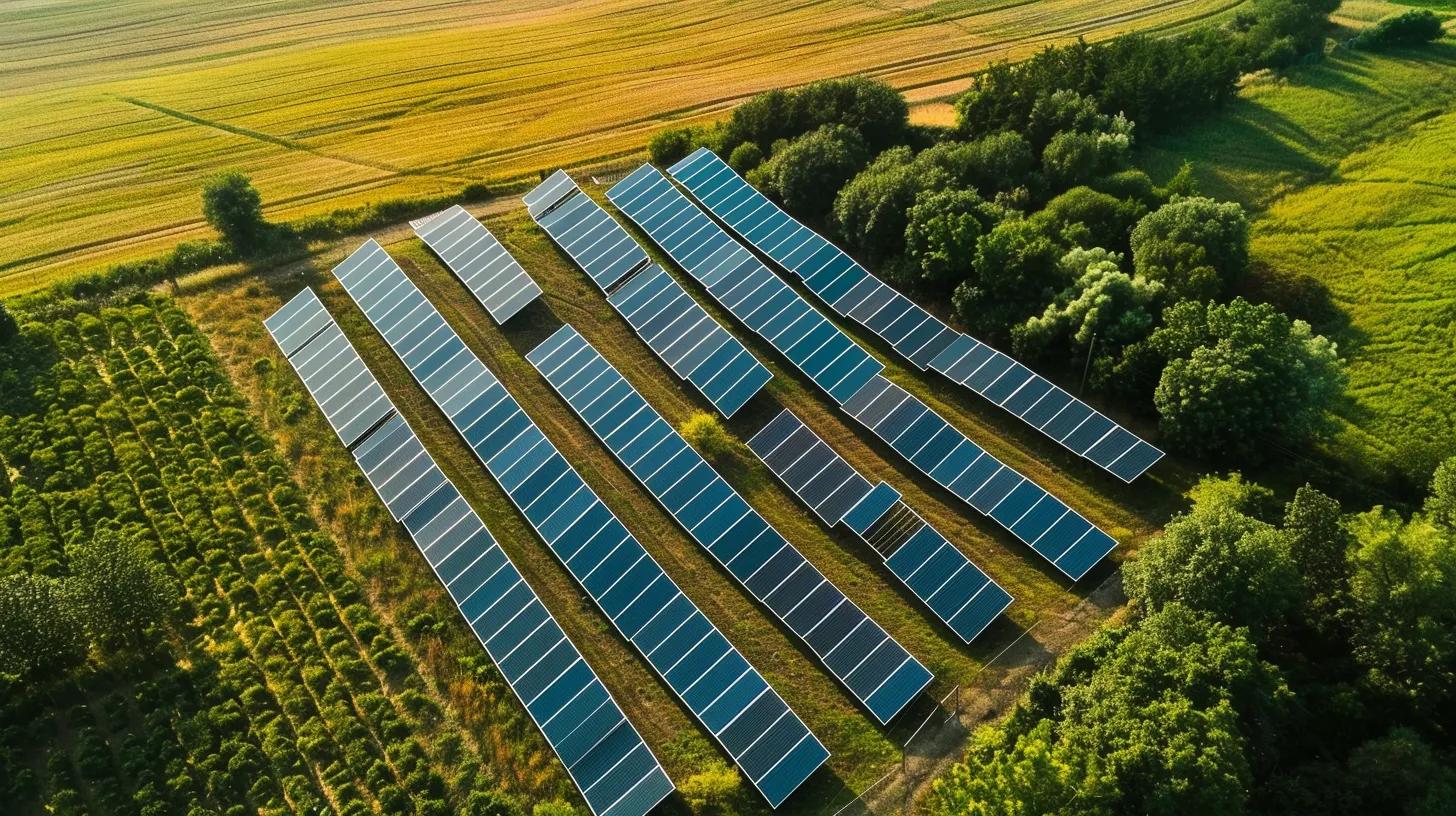
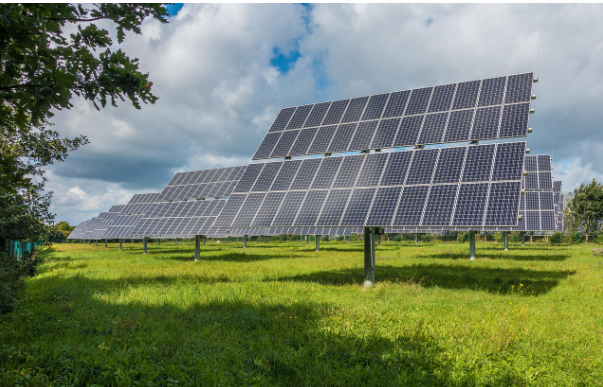
A solar ground mount system is a structure that supports solar panels at ground level, allowing for optimal sunlight exposure and energy production. These systems are typically made from durable materials such as galvanized steel or aluminum that can withstand various weather conditions, ensuring long-term reliability. The primary benefit of ground mount systems is their ability to be installed in locations that may not be suitable for roof-mounted solar panels, such as open fields or areas with limited roof space.
Defining Solar Ground Mount Systems and Their Components
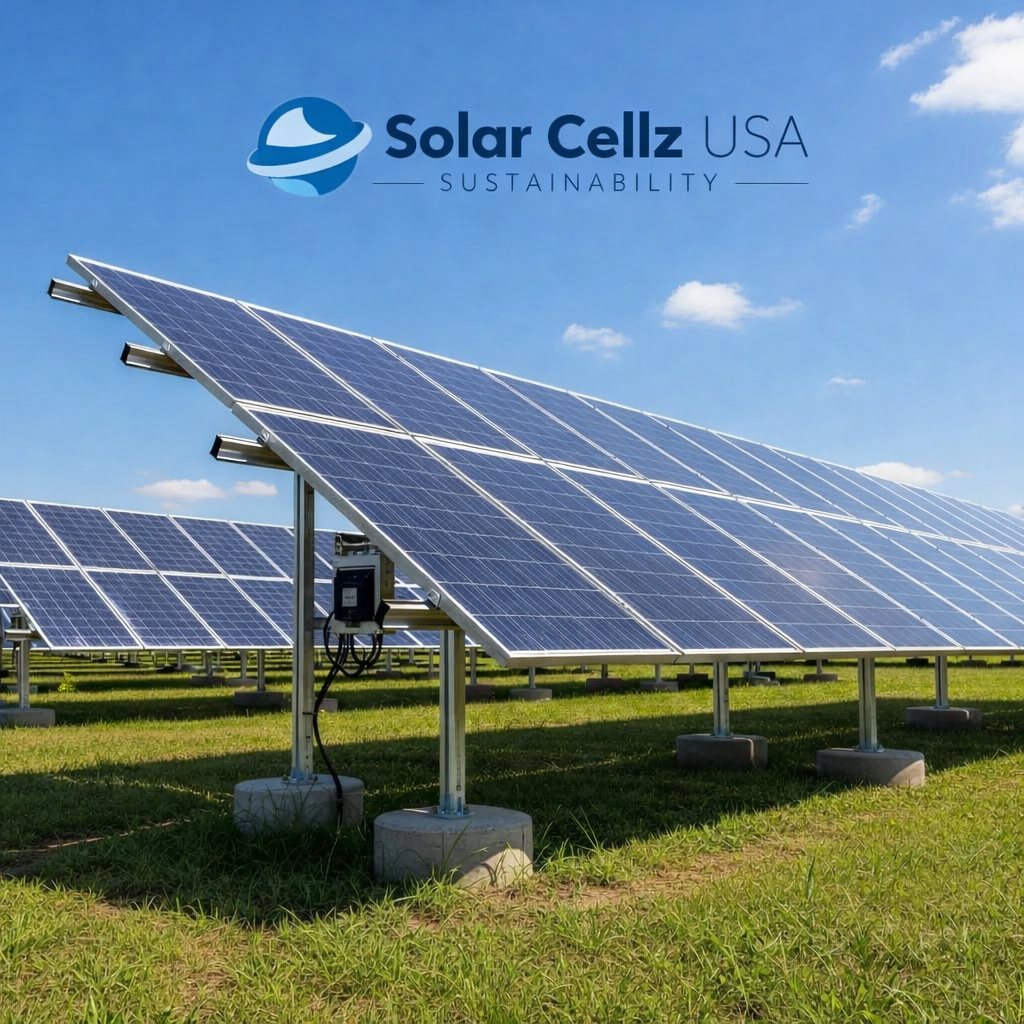
Solar ground mount systems consist of several key components, including mounting brackets, racking systems, and the solar panels themselves. The mounting brackets secure the solar panels to the racking system, which is anchored to the ground using methods such as concrete footings or ground screws. This setup allows for easy access for maintenance and cleaning, as well as the ability to adjust the angle of the panels for maximum sunlight exposure in some designs.
Understanding the structural integrity and foundation design is crucial, especially when considering factors like wind loading on elevated systems.
Ground Mount Solar Foundation Design & Wind Loading design loading for most ground mount solar systems in uplift from wind loading, especially for elevated systems that are designed to allow dual use of the land. Foundation alternatives for ground mount solar panel installations, 2016
How Solar Ground Mount Systems Support Solar Panels Effectively
Ground mount systems support solar panels effectively by providing a stable and adjustable platform. Unlike roof-mounted systems, ground mounts can be positioned to avoid shading from nearby trees or buildings, maximizing energy production. Additionally, ground mounts can be designed to accommodate various panel sizes and configurations, making them versatile for different solar energy projects.
What Are the Main Types of Solar Ground Mount Systems?
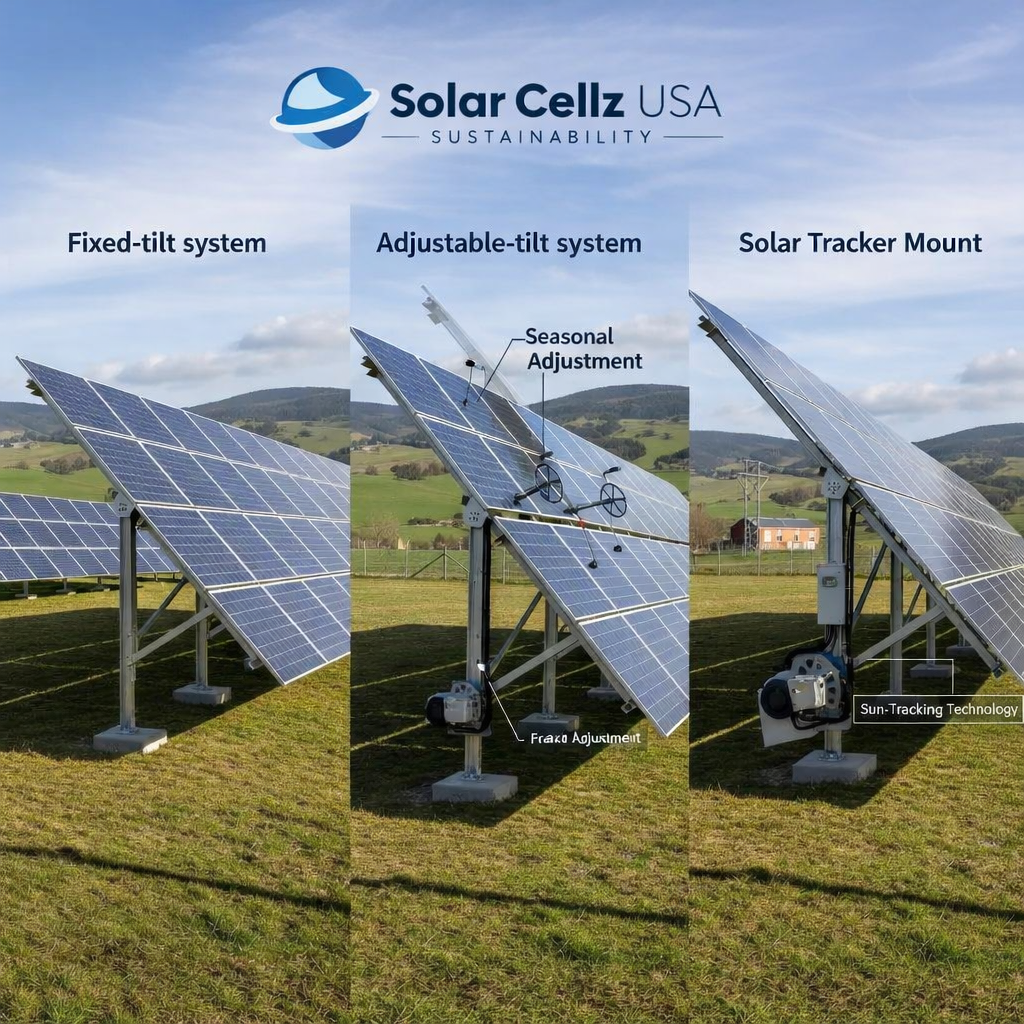
There are several types of solar ground mount systems, each designed to meet specific needs and preferences. Understanding these types can help you choose the best option for your solar installation.
Fixed vs Adjustable Solar Mounting Systems: Key Differences
Fixed solar mounting systems are stationary and set at a specific angle, while adjustable systems allow for manual changes in angle to optimize sunlight exposure throughout the year. Fixed systems are generally easier to install and maintain, while adjustable systems can provide higher energy yields by adapting to seasonal changes in the sun’s position.
Introduction to Solar Tracker Systems for Enhanced Efficiency
Solar tracker systems are advanced ground mount solutions that automatically adjust the position of solar panels to follow the sun’s path across the sky. This technology can significantly increase energy production compared to fixed systems, making them an attractive option for large-scale solar installations. However, they often require more maintenance and have higher initial costs.
How to Install a Solar Ground Mount System: Step-by-Step Guide
Installing a solar ground mount system involves several steps, from site assessment to final installation. Following a structured approach ensures a successful setup.
Essential Installation Tools and Materials for Ground Mount Solar Panels
To install a solar ground mount system, you will need various tools and materials, including:
- Post hole digger or auger: For creating holes for the mounting posts.
- Concrete mix or ground screws: To secure the posts in place.
- Wrenches and sockets: For assembling the mounting brackets and racking system.
- Level: To ensure the system is installed correctly.
Best Practices for Safe and Durable Solar Panel Mounting
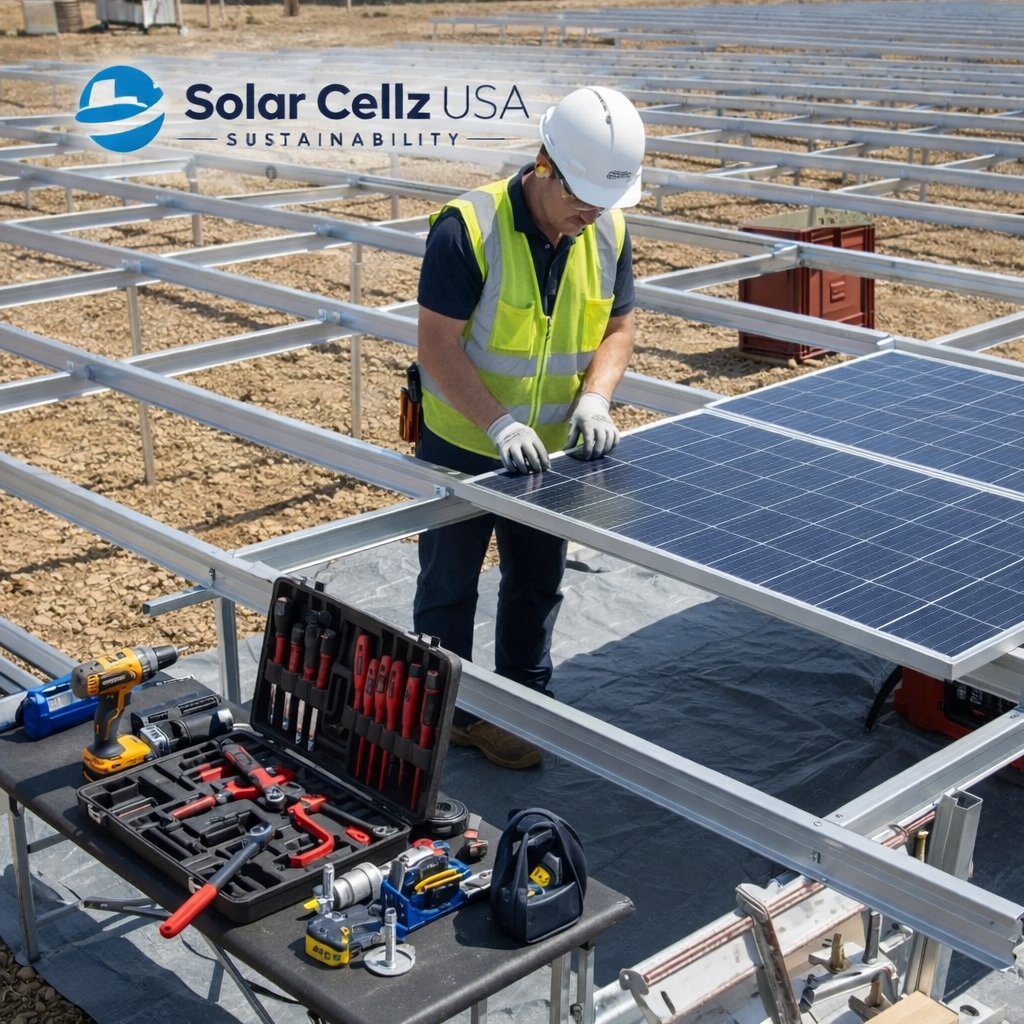
When installing solar ground mounts, it’s essential to follow best practices to ensure safety and durability. This includes:
- Ensuring proper grounding to prevent electrical hazards.
- Using high-quality, weather-resistant materials to withstand environmental conditions.
- Regularly inspecting the system for wear, corrosion, and structural integrity.
What Are the Benefits and Cost Considerations of Ground Mount Solar Panels?
Ground mount solar panels offer several advantages, making them a popular choice for many solar energy projects. Understanding these benefits and the associated costs can help you make informed decisions.
Advantages of Commercial and Residential Solar Ground Mounts
Ground mount systems provide unique benefits for both commercial and residential applications:
- Optimal Yield: Reduced shading and easy access lead to higher energy production.
- Long Lifespan: Regular maintenance protects panels and cables from damage.
- Enhanced Safety: Proper installation reduces electrical and fire hazards while ensuring emergency access.
Cost Analysis and Financing Options for Solar Racking Systems
The cost of solar ground mounts can vary based on several factors, including the type of system, installation complexity, and location. Financing options may include:
- Loans: Many financial institutions offer loans specifically for solar installations.
- Leases: Some companies provide leasing options that allow you to install solar without a large upfront cost.
- Incentives: Government incentives and rebates can significantly reduce the overall cost of solar ground mount systems.
| Type of Ground Mount | Initial Cost | Long-term Savings | Maintenance Needs |
|---|---|---|---|
| Fixed Mount | Moderate | Moderate | Low |
| Adjustable Mount | Higher | High | Moderate |
| Solar Tracker | Highest | Very High | High |
This table illustrates the cost and savings potential of different types of solar ground mount systems, helping you evaluate which option aligns best with your budget and energy goals.