Sustainable Solar Solutions for Farms & Agriculture: Optimize Energy, Reduce Costs, and Enhance Sustainability
Sustainable solar solutions for farms and agriculture can optimize energy, reduce costs, and enhance sustainability through expert vegetation management. This includes reducing maintenance costs by up to 30% and preventing energy loss from panel shading with AI-powered monitoring systems. Regular maintenance ensures optimal performance, enhances safety, and extends the lifespan of solar installations. Eco-friendly methods, such as electric mowers and robotic systems, are employed to minimize ecosystem disturbance. Overall, these practices contribute to higher energy production, cost savings, and a sustainable approach to farming.
What Are the Benefits of Agricultural Solar Energy Solutions?
Agricultural solar energy solutions offer numerous advantages that can significantly impact farm operations. By harnessing solar energy, farms can reduce their reliance on traditional energy sources, leading to substantial cost savings. Additionally, solar energy promotes energy independence, allowing farms to generate their own power and mitigate the risks associated with fluctuating energy prices. Furthermore, the environmental benefits of solar energy contribute to a more sustainable agricultural practice, aligning with the growing demand for eco-friendly farming methods.
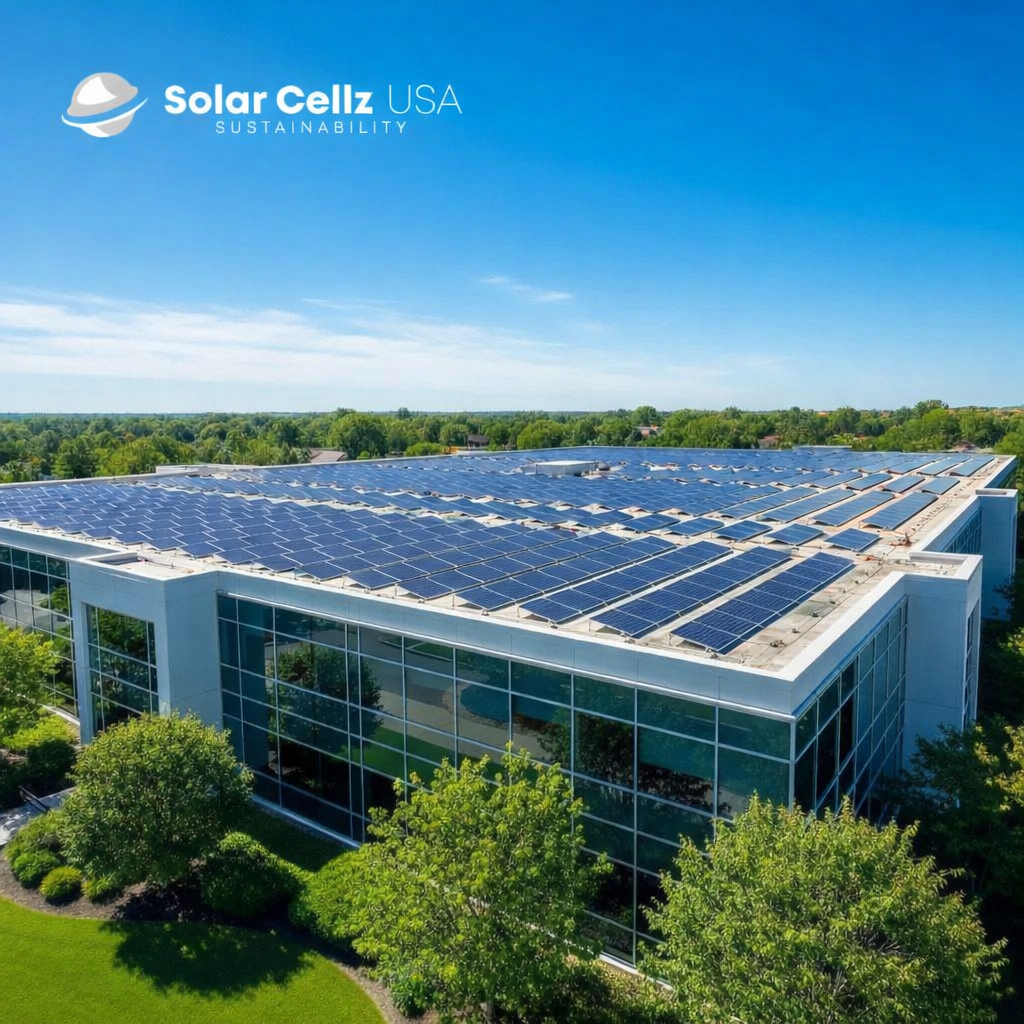
Solar Cellz USA provides comprehensive solar solutions for residential and commercial clients, encompassing installation, energy storage, maintenance, and optimization services. The company emphasizes reducing energy costs and promoting sustainability, operating across the Central and Eastern U.S. with over 9,000 installations completed.
How Does Solar Energy Reduce Farm Operating Costs?
Solar energy significantly reduces farm operating costs by lowering electricity bills and providing long-term savings. By installing solar panels, farms can generate their own electricity, which decreases their dependence on grid power. This self-sufficiency not only cuts costs but also protects farms from rising energy prices. Additionally, many farms can take advantage of government incentives and tax credits, further enhancing their savings.
In What Ways Does Solar Promote Energy Independence on Farms?
Solar energy promotes energy independence on farms by enabling them to produce their own power. This self-sufficiency reduces reliance on external energy sources, which can be particularly beneficial during energy shortages or price spikes. Case studies have shown that farms utilizing solar energy can achieve significant reductions in their energy costs, allowing them to reinvest those savings into their operations. By adopting solar solutions, farms can ensure a stable and predictable energy supply, enhancing their overall resilience.
How Does Agrivoltaics Benefit Crop Production and Land Use?
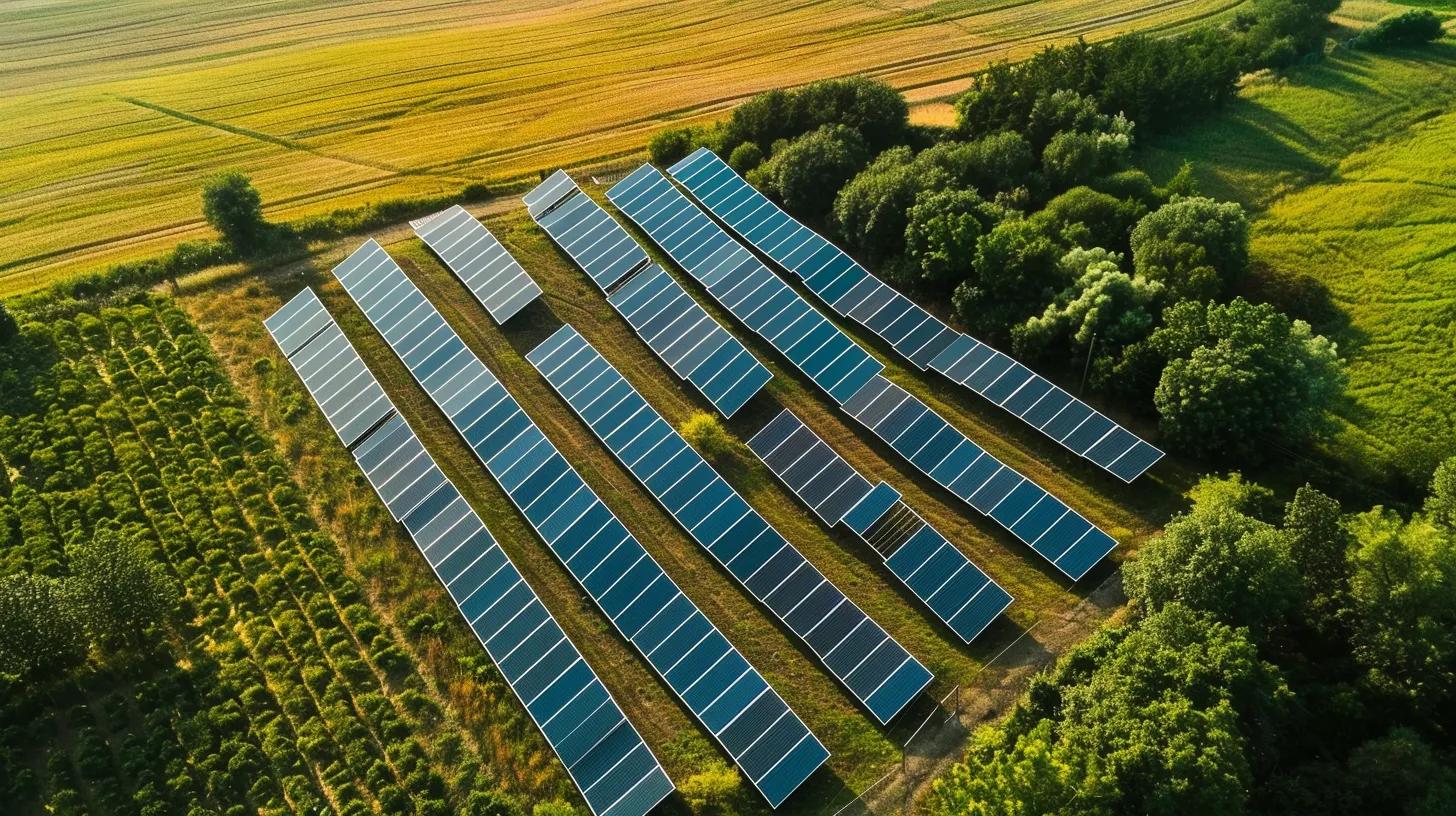
Agrivoltaics, the practice of using land for both solar energy generation and agricultural production, offers a dual-use solution that maximizes land efficiency. This innovative approach allows farmers to cultivate crops while simultaneously generating renewable energy, leading to increased productivity and sustainability. By integrating solar panels into agricultural landscapes, farms can optimize land use and enhance crop yields.
What Are the Advantages of Dual-Use Solar Farming for Crop Yields?

Dual-use solar farming provides several advantages for crop yields. The shade provided by solar panels can create a microclimate that benefits certain crops, reducing heat stress and conserving water. Research indicates that crops grown under solar panels can experience improved growth rates and higher yields compared to those grown in full sun, depending on the crop type and local conditions. This method not only enhances agricultural productivity but also contributes to sustainable land management practices.
How Can Livestock Benefit from Agrivoltaic Systems?
Livestock can also benefit from agrivoltaic systems by utilizing the shaded areas created by solar panels. This shelter protects animals from extreme weather conditions, improving their comfort and health. Additionally, grazing opportunities under solar panels can enhance land use efficiency, allowing farmers to maximize their resources. By integrating livestock with solar energy production, farms can create a more sustainable and productive agricultural system.
What Are the Options for Commercial Farm Solar Installation?
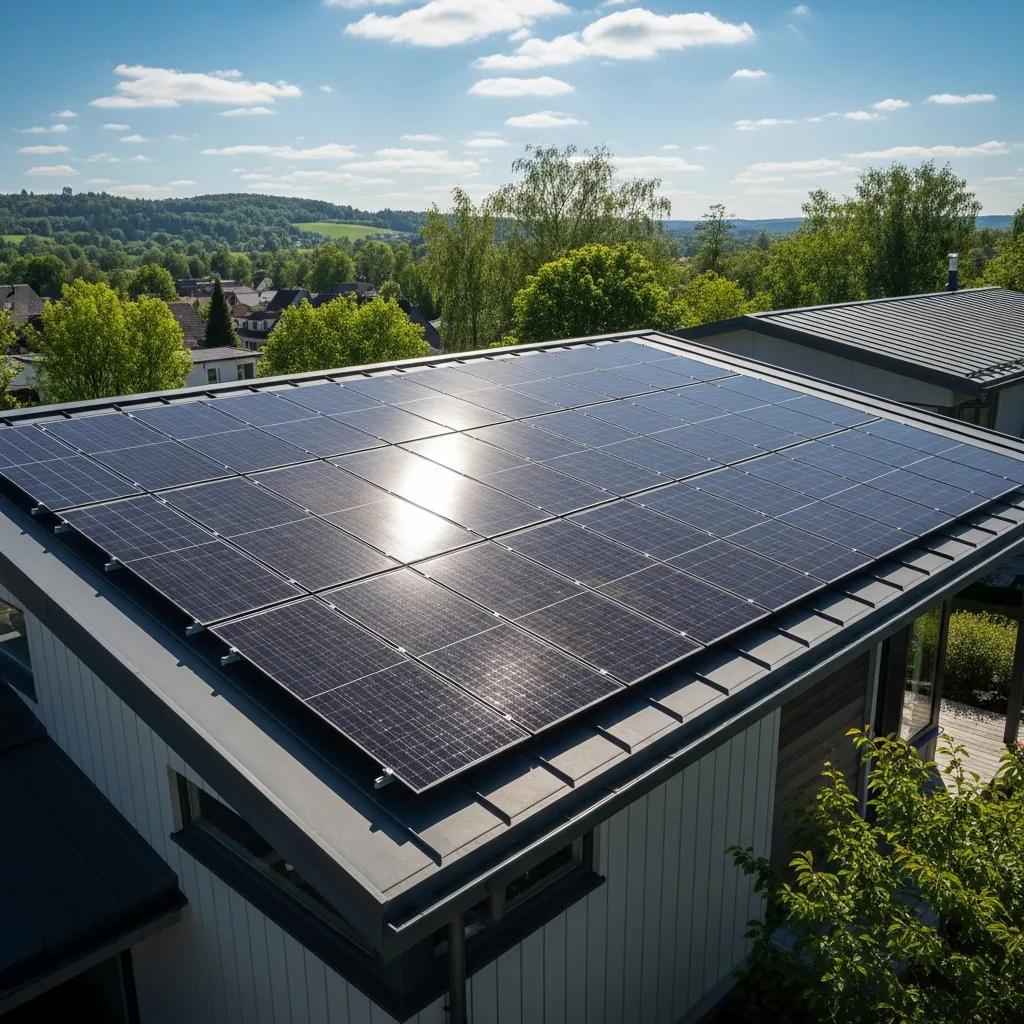
When considering solar installation for commercial farms, several options are available to meet diverse energy needs. Farms can choose from various types of solar panel installations, including rooftop, ground-mounted, and canopy systems. Each option has its advantages and considerations, allowing farmers to select the best fit for their specific circumstances.
| Installation Type | Description | Advantages |
|---|---|---|
| Rooftop Systems | Solar panels installed on building roofs | Space-efficient, often less expensive |
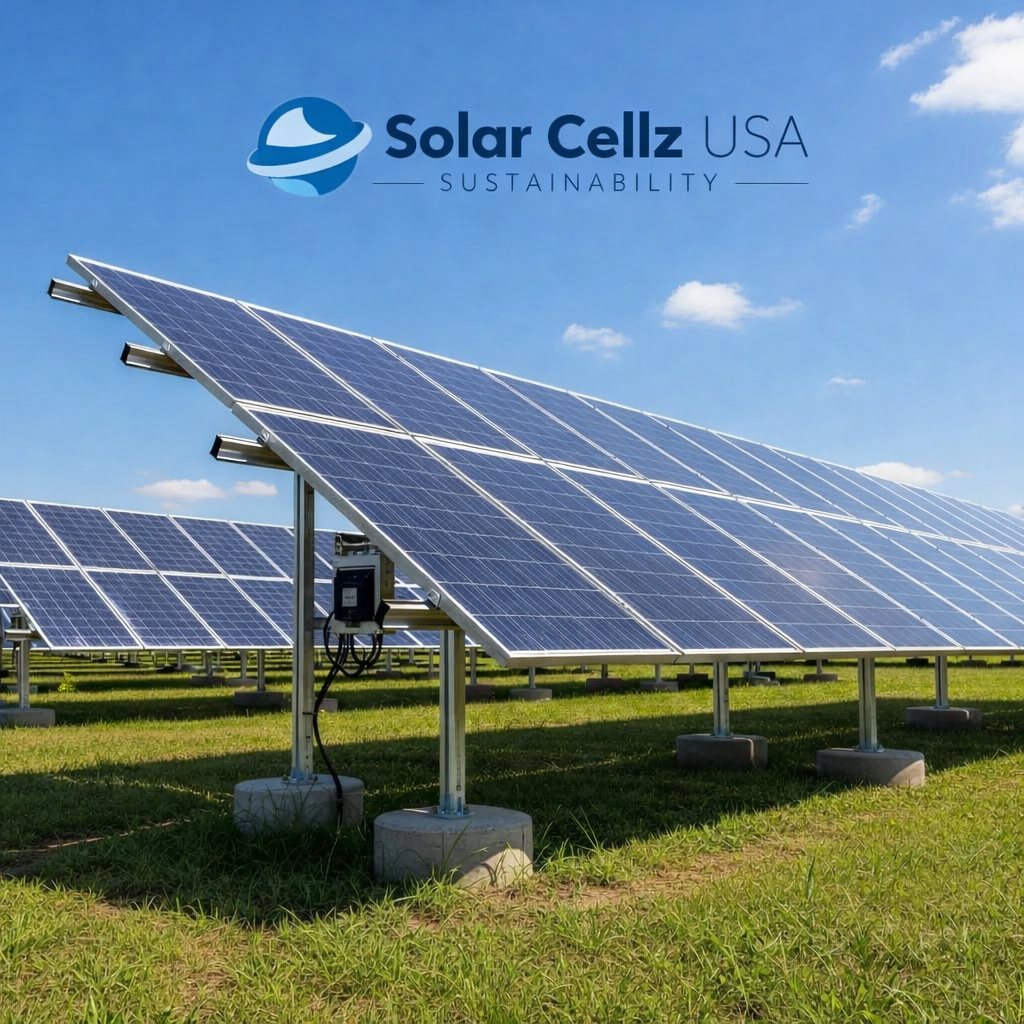
| Ground-Mounted Systems | Panels installed on the ground, typically in open fields | Higher energy production potential |
| Canopy Systems | Solar panels installed above parking lots or other structures | Dual-use of space, provides shade |
What Types of Solar Panel Installations Are Suitable for Farms?
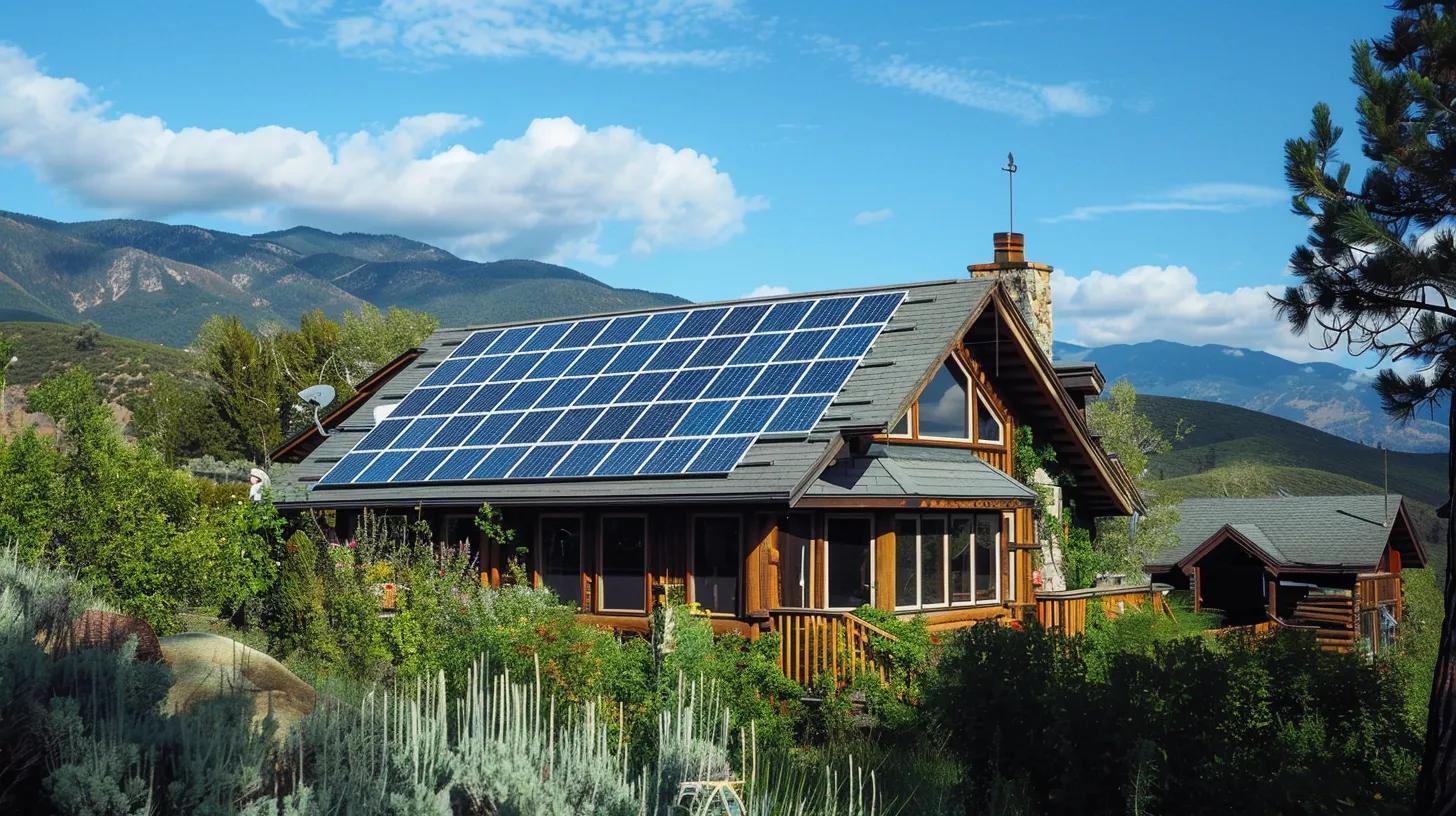
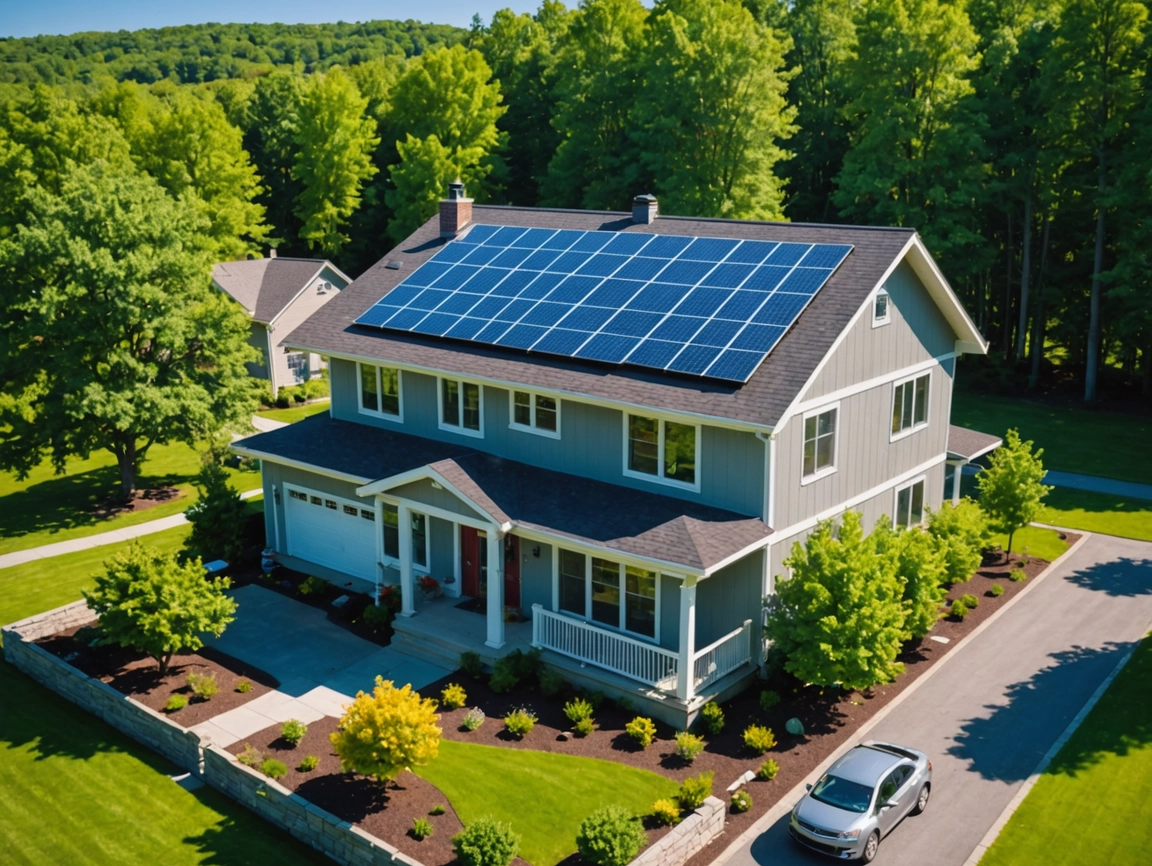
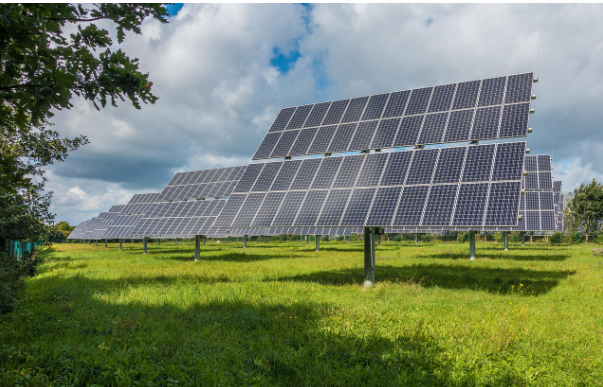
Several types of solar panel installations are suitable for farms, each offering distinct advantages. Rooftop systems are ideal for farms with existing buildings, maximizing space without requiring additional land. Ground-mounted systems are suitable for larger farms with ample land, allowing for higher energy production. Canopy systems provide a unique solution by utilizing existing structures, such as parking lots, to generate solar energy while providing shade.
How Does Solar Energy Storage Enhance Farm Energy Reliability?
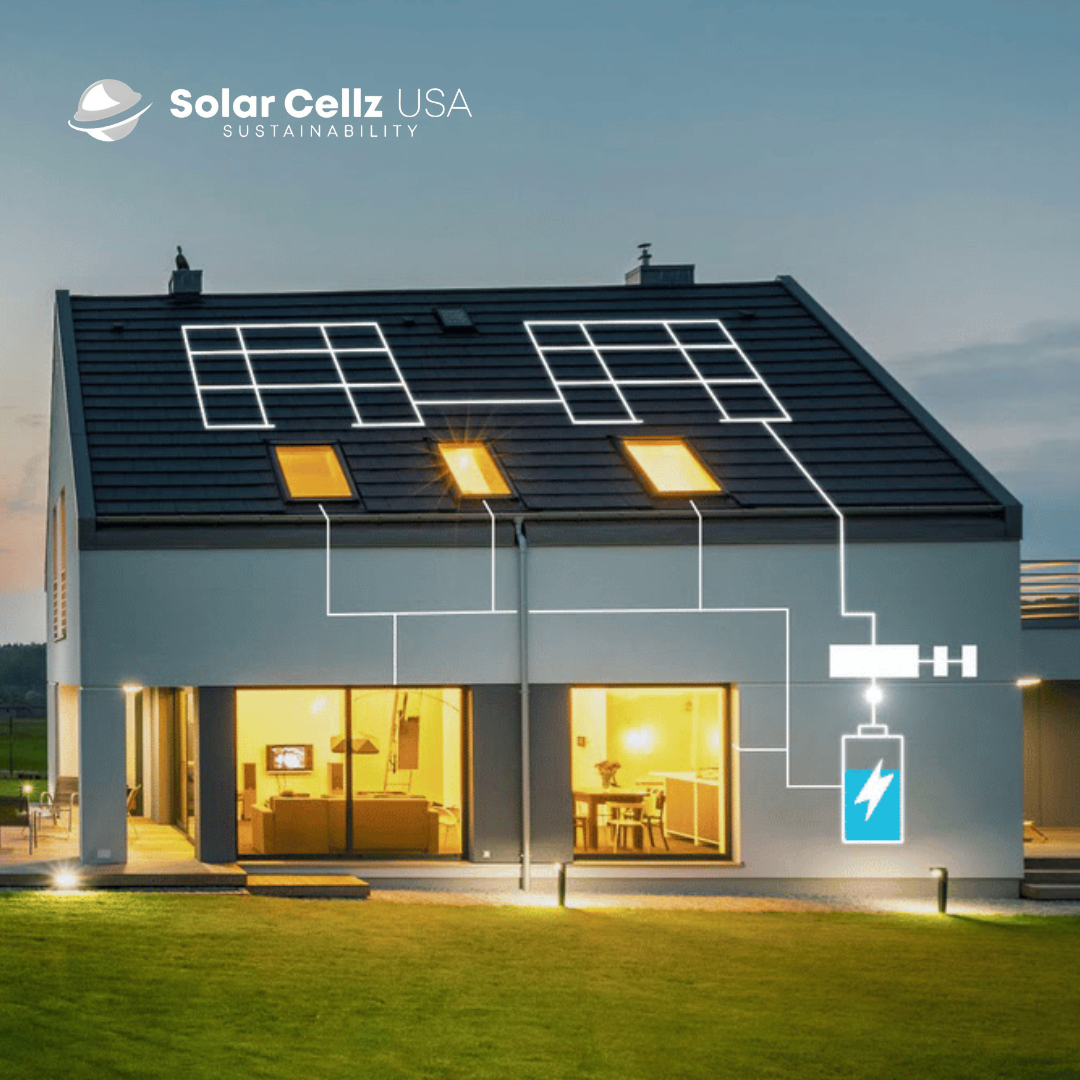
Solar energy storage systems enhance farm energy reliability by allowing farms to store excess energy generated during peak sunlight hours for use during periods of low production. This capability ensures a consistent energy supply, reducing reliance on the grid and enhancing energy independence. By integrating battery storage solutions, farms can optimize their energy usage, leading to further cost savings and operational efficiency.
How Do Solar Powered Irrigation Systems Improve Farm Efficiency?
Solar-powered irrigation systems represent a significant advancement in agricultural efficiency. By utilizing solar energy to power irrigation pumps, farms can reduce their energy costs and improve water management practices. This sustainable approach not only lowers operational expenses but also supports environmentally friendly farming practices.
Advanced systems, integrating artificial intelligence, further refine water resource management for enhanced agricultural productivity.
AI Solar Irrigation for Sustainable Farm Water Management Water resource management is a critical challenge in modern agriculture, particularly in regions with erratic rainfall and increasing water scarcity. This study explores the implementation of AI-powered solar irrigation systems as a sustainable solution for optimizing water usage while enhancing agricultural productivity. The system integrates machine learning algorithms, IoT-based soil moisture sensors, and real-time weather forecasting to automate irrigation processes and ensure efficient water distribution. By continuously analyzing soil moisture levels, weather conditions, and crop water requirements, the AI model dynamically adjusts irrigation schedules, minimizing water wastage and maximizing efficiency. The use of solar-powered irrigation systems further enhances sustainability by reducing dependence on fossil fuels and lowering operational costs for farmers. This integration of renewable energy and artificial intelligence not only improves irrigation precision bu Optimizing Water Resource Management in Agriculture Using AI-Powered Solar Irrigation Systems, AK Raji, 2025
AI Solar Irrigation for Sustainable Farm Water Management Water resource management is a critical challenge in modern agriculture, particularly in regions with erratic rainfall and increasing water scarcity. This study explores the implementation of AI-powered solar irrigation systems as a sustainable solution for optimizing water usage while enhancing agricultural productivity. The system integrates machine learning algorithms, IoT-based soil moisture sensors, and real-time weather forecasting to automate irrigation processes and ensure efficient water distribution. By continuously analyzing soil moisture levels, weather conditions, and crop water requirements, the AI model dynamically adjusts irrigation schedules, minimizing water wastage and maximizing efficiency. The use of solar-powered irrigation systems further enhances sustainability by reducing dependence on fossil fuels and lowering operational costs for farmers. This integration of renewable energy and artificial intelligence not only improves irrigation precision bu Optimizing Water Resource Management in Agriculture Using AI-Powered Solar Irrigation Systems, AK Raji, 2025
What Are the Cost and Water Savings from Solar Irrigation Pumps?
Solar irrigation pumps can lead to substantial cost and water savings for farms. By eliminating the need for grid electricity, farms can significantly reduce their energy bills. Additionally, solar-powered systems often operate more efficiently, leading to better water management and conservation. Studies have shown that farms using solar irrigation can achieve up to 20-30% savings on water costs, making it a financially viable option for sustainable farming.
Further research underscores the critical role of solar-powered irrigation in addressing water scarcity and reducing operational expenses.
Solar Drip Irrigation: Reducing Costs & Water Scarcity The shortage of electric power and high diesel cost have influenced the desires of irrigation systems. Instead of these types of pumping systems, the solar-powered water pump is respectable in socioeconomic and environmental points of view. Water scarcity during the dry season and traditional irrigation practice becomes a common challenge. The main objective of the study was to investigate and model a solar-powered pump drip irrigation system for establishing resilience livelihood in the water scarce and remote areas. Solar-powered pump drip irrigation system modeling for establishing resilience livelihoods in South Omo zone and Afar regional state, Ethiopia, MT Ejigu, 2021
Solar Drip Irrigation: Reducing Costs & Water Scarcity The shortage of electric power and high diesel cost have influenced the desires of irrigation systems. Instead of these types of pumping systems, the solar-powered water pump is respectable in socioeconomic and environmental points of view. Water scarcity during the dry season and traditional irrigation practice becomes a common challenge. The main objective of the study was to investigate and model a solar-powered pump drip irrigation system for establishing resilience livelihood in the water scarce and remote areas. Solar-powered pump drip irrigation system modeling for establishing resilience livelihoods in South Omo zone and Afar regional state, Ethiopia, MT Ejigu, 2021
How Does Solar Irrigation Support Drought Resilience on Farms?
Solar irrigation systems enhance drought resilience by providing a reliable water source during dry periods. By harnessing solar energy, farms can maintain irrigation schedules without the constraints of grid power availability. This capability is particularly crucial in regions prone to drought, where consistent water supply is essential for crop survival. Implementing solar irrigation not only supports agricultural productivity but also contributes to sustainable water management practices.
What Agricultural Solar Grants and Financing Options Are Available?
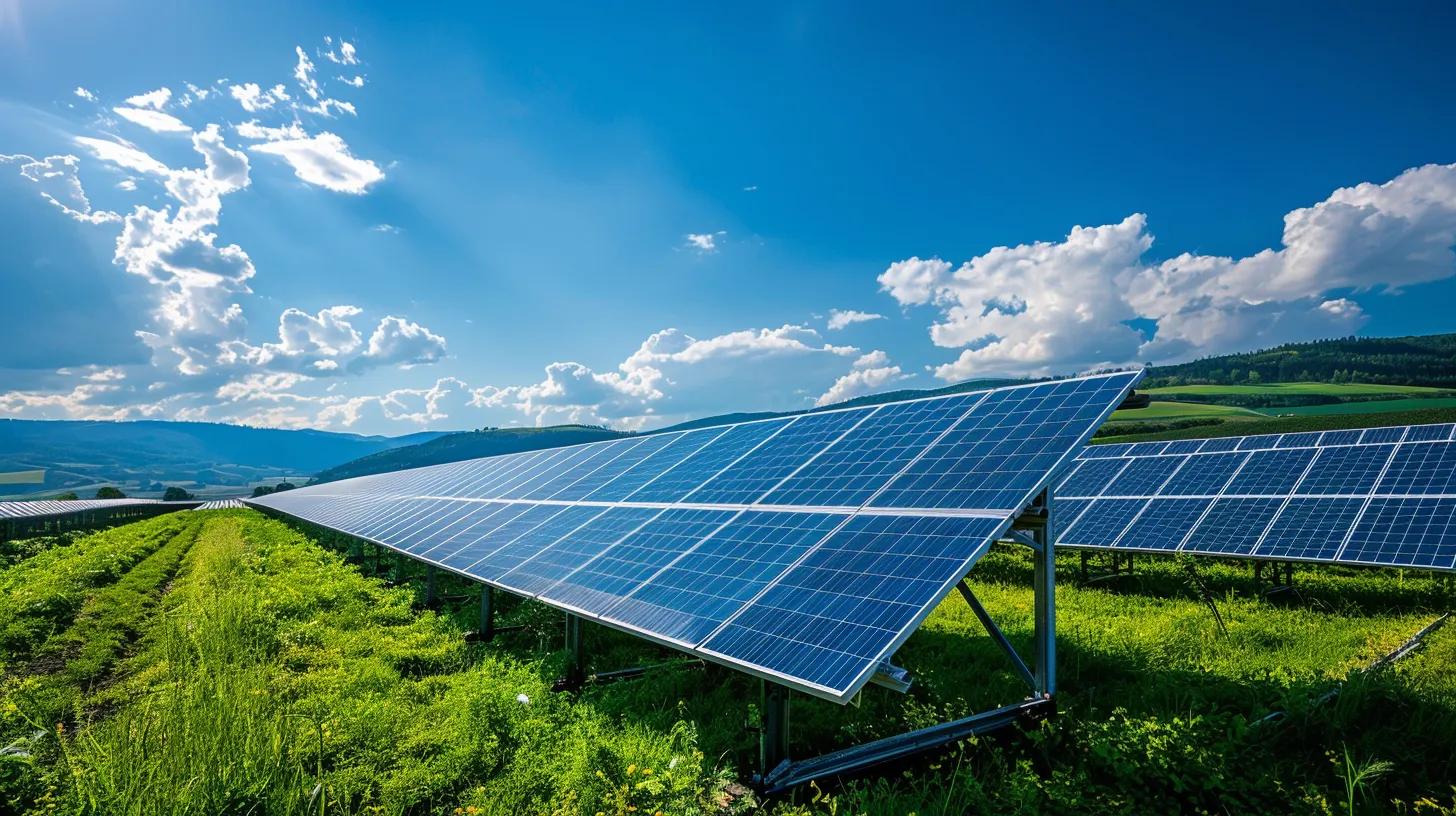
Various agricultural solar grants and financing options are available to support farms in adopting solar energy solutions. These financial incentives can significantly reduce the upfront costs associated with solar installations, making it more accessible for farmers to transition to renewable energy.
How Can Farms Qualify for USDA REAP and Other Solar Incentives?
Farms can qualify for the USDA Rural Energy for America Program (REAP) and other solar incentives by meeting specific eligibility criteria. These programs often require applicants to demonstrate the potential energy savings and environmental benefits of their proposed solar projects. By providing detailed project plans and financial projections, farms can access grants and low-interest loans to support their solar initiatives.
What Commercial Financing Solutions Support Farm Solar Projects?
Commercial financing solutions for farm solar projects include options such as loans, leases, and power purchase agreements (PPAs). These financing methods allow farms to spread the costs of solar installations over time, making it easier to manage cash flow. By exploring various financing options, farms can find the best solution to support their transition to solar energy.
What Are Successful Examples of Commercial Farm Solar Installations?
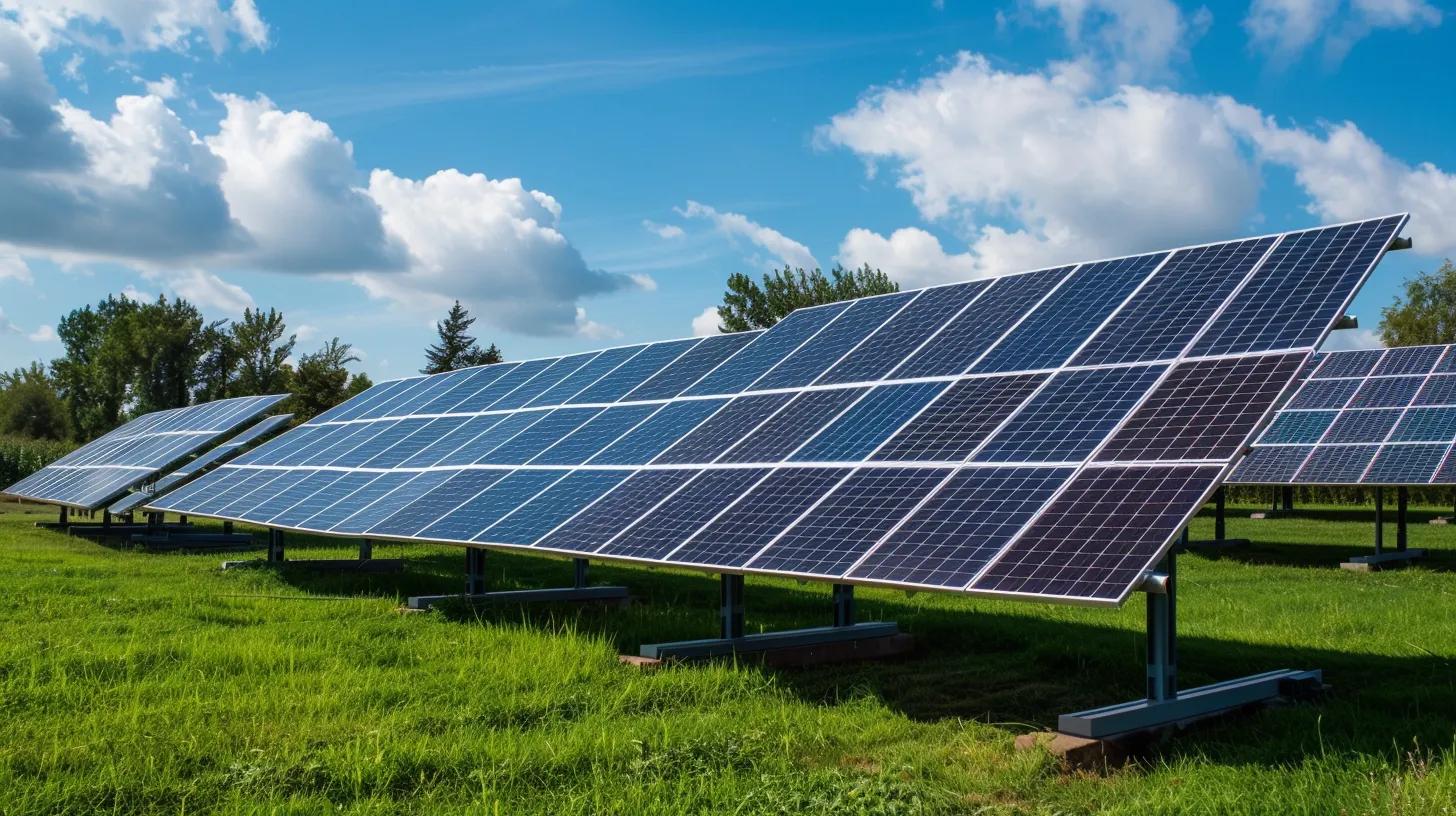
Successful examples of commercial farm solar installations highlight the potential benefits of adopting solar energy solutions. These case studies demonstrate how farms can achieve significant energy savings and operational improvements through solar technology.
How Have Dairy Farms Achieved Energy Savings with Solar?
Dairy farms have successfully implemented solar energy solutions to achieve substantial energy savings. By installing solar panels, these farms have reduced their electricity costs by up to 40-50%, allowing them to reinvest those savings into their operations. Additionally, the use of solar energy has improved the overall sustainability of dairy farming practices, aligning with consumer demand for environmentally friendly products.
What ROI Have Crop Farms Experienced from Solar Energy Solutions?
Crop farms that have adopted solar energy solutions have reported impressive returns on investment (ROI). Many farms experience payback periods of 5-10 years, after which they benefit from free electricity for the lifespan of the solar panels. This financial advantage, combined with the environmental benefits of solar energy, makes it a compelling choice for modern agricultural practices.